 Subscription & reseller store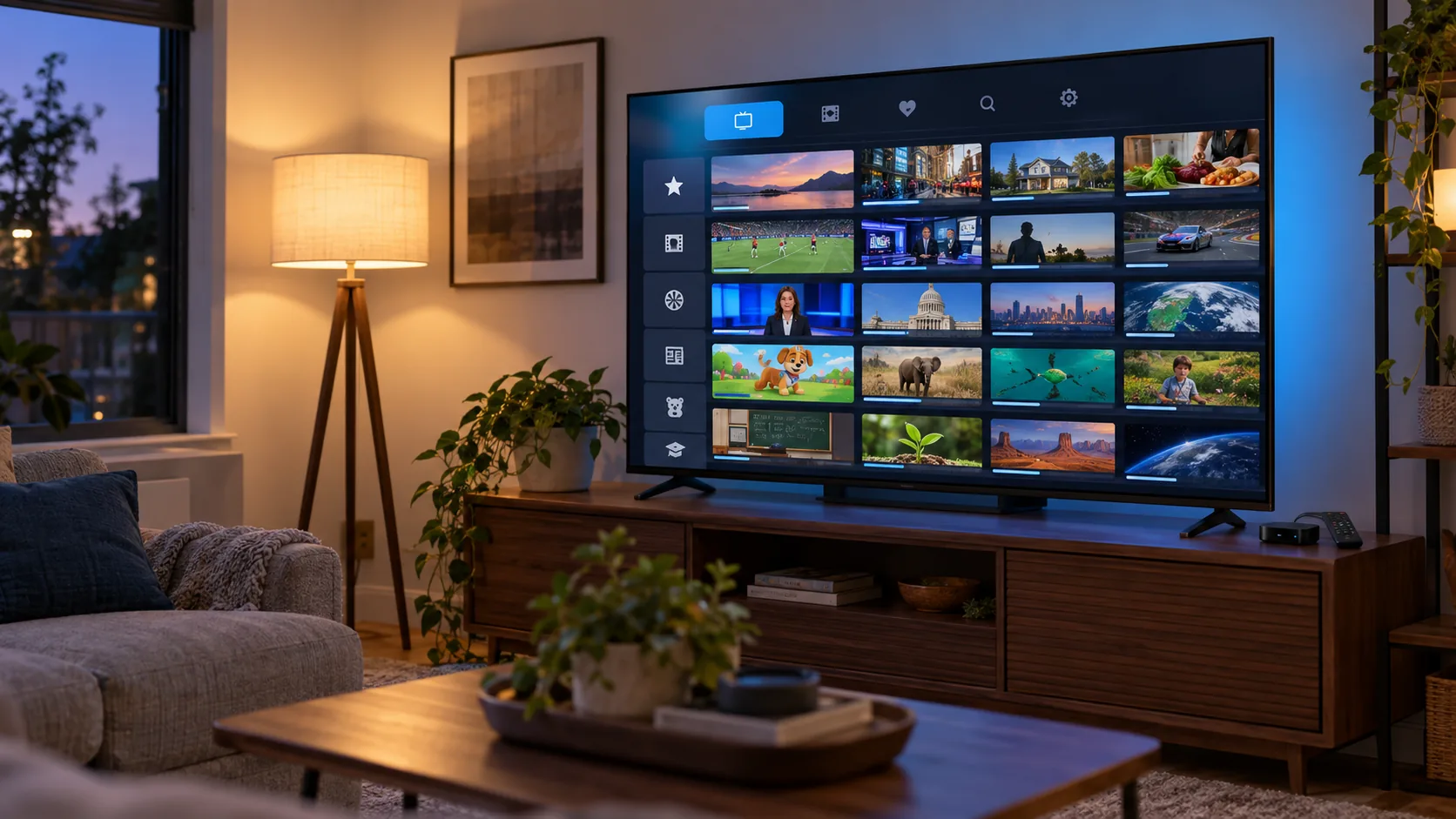
IPTVs.us editorial · Updated September 2026 · Comparison Guide
Buffering can come from the home network, device, player or a particular feed. This guide focuses on home wi-fi buffering checks as a concrete decision or support task for US viewers. A provider’s plan page can describe capabilities, but the actual device and licensed programme are the useful test.
Compare the options
Compare the outcome on your intended screen, not a marketing specification alone. Record cost, usability and who handles support. Test a wired connection if possible; compare the same stream on two devices and one known-working category.
What to compare
- Test a wired connection if possible; compare the same stream on two devices and one known-working category.
- Record the time, connection type, device and whether all streams are affected.
- Confirm any plan-dependent feature with the supplier in writing and retest after changing just one setting.
What can mislead you
A speed test alone does not explain packet loss or busy-hour problems. A sample screenshot is a visual reference, not evidence that a particular network, programme or feature is included today. Keep the current quote and terms next to your test notes.
How to use the result
Record the time, connection type, device and whether all streams are affected. If the test fails, compare another known-working programme or device without exposing account secrets. If it succeeds, verify the number of simultaneous screens, renewal details and support route before extending the term.
Continue with the trial checklist, device guides, subscription comparison or reseller terms.
For a provider-specific source to compare against the checklist, see 5G Live TV source site ↗. Treat its current published terms and support answer as authoritative for that service.