
provider
4K OTT
Clarify the seller and panel operator when two services use a similar 4K brand name.
4kott.app · Check exact market
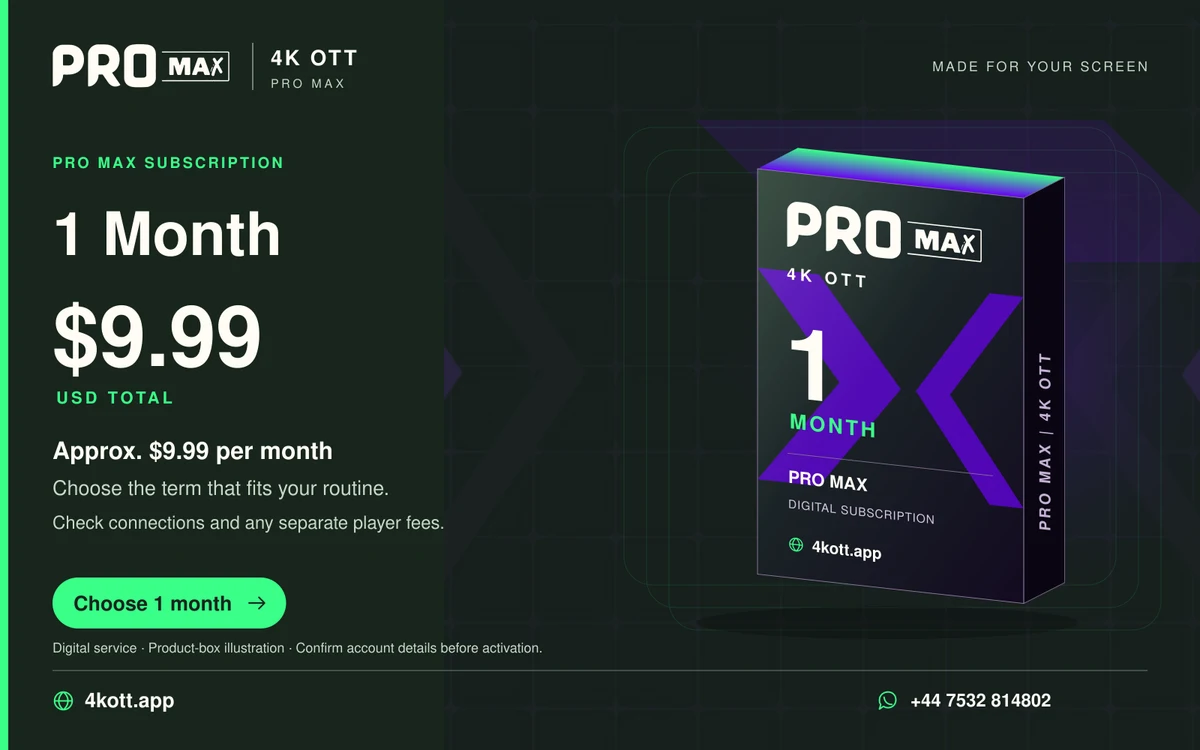
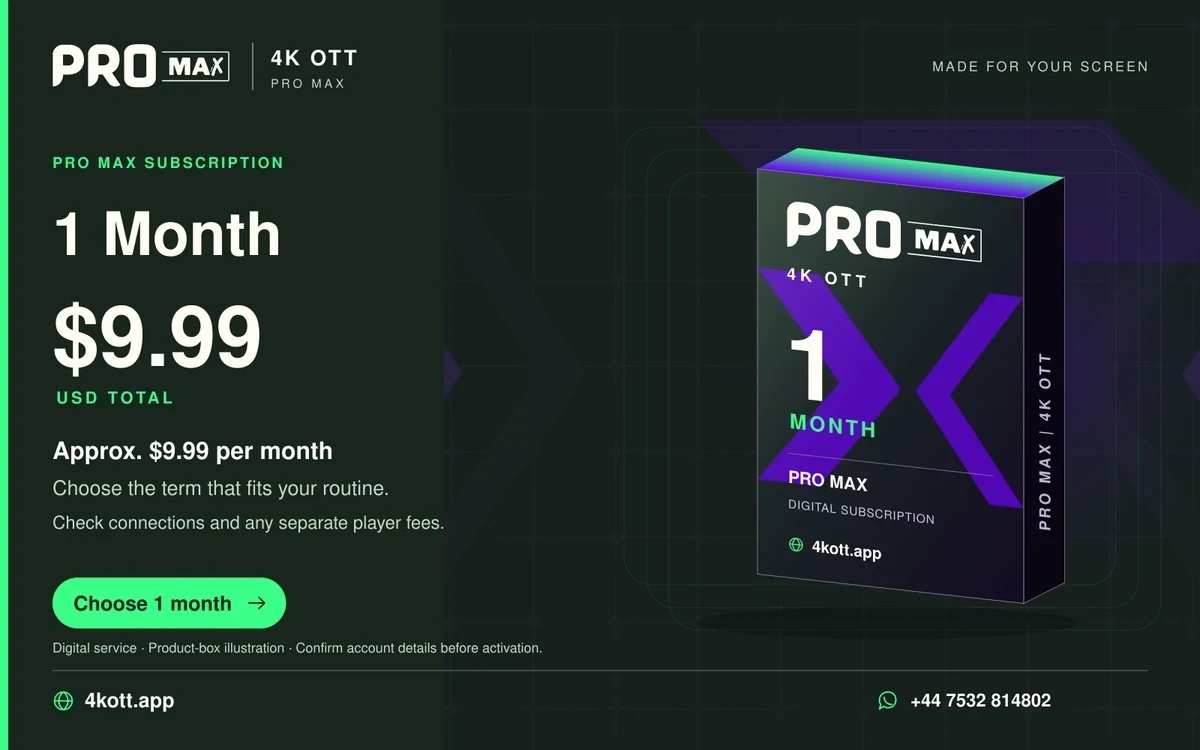
Open the official 4K OTT websiteThe 1 month plan is listed at $9.99 USD. The operator also lists 4 reseller pack sizes.

4kott.app
The 1 month plan is listed at $9.99 USD. The operator also lists 4 reseller pack sizes.
The 1 month plan is listed at $9.99 USD. The operator also lists 4 reseller pack sizes.
Clarify the seller and panel operator when two services use a similar 4K brand name.
4kott.app · Check exact market
Open the official 4K OTT website4K OTT maintains the site at 4kott.app. Check who issues the invoice and who replaces the access if the app or TV changes. The buyer needs both answers before paying for a long term.
Document review · November 19, 2026. Playback performance, service rights and ZIP-level access require separate evidence.
The 1 month plan is listed at $9.99 USD. The operator also lists 4 reseller pack sizes.

4kott.app
Someone has just pressed Info on the television. The banner says 2160p. The family wants to know whether a Pro Max 4K OTT subscription will deliver a particular game in native 4K. The banner gives one valuable piece of information about the signal arriving at the television. An external box may output that signal at 2160p while scaling a lower-resolution source. The device readout cannot identify the underlying feed, the rights for the game or the quality of tomorrow's transmission.
The practical buying question is narrower. Will the agreed account carry the particular program in the viewing area, will the seller's supported player run on the device and will the result look and sound acceptable from the actual seat? Ask with those details. A seller confirming one program on one feed in your territory is answering a more useful question than a marketing heading naming a class of television. The provider provides a one-day trial route after the viewer identifies and installs a compatible player.
The seller considered here is the site at 4kott.app, which uses the Pro Max 4K OTT name. This review applies its own pages checked November 19, 2026. Buy from the relevant named operator and preserve that identity with the receipt. Similar wording on another site is not an agreement to transfer the account, combine credit balances or take responsibility for another seller's order. The domain, term, amount, currency and payment confirmation should all point to the same purchasing decision.
Start at the source program. A live broadcaster can produce different versions of the same event. Its available format, language, graphics and regional rights can differ by feed. A provider offering one version is not necessarily offering every version that exists. Ask which authorized feed is relevant to the buyer's location and date. If the provider cannot identify the specific feed or event, the household is still missing the most important fact. No change to the television's picture mode can supply a program that is absent.
Next comes the account and player. The player needs an input method supported by the purchased account. On the device, verify the compatible app name and publisher and ask whether a separate software license applies. A player may present useful stream information for the current item, depending on its version. Record exactly what the menu calls the value. A reported source resolution, the television's input resolution and a device's configured maximum output are three facts; one cannot simply be substituted for another because all happen to be expressed in pixels.
The physical playback system matters as well. A streaming box feeds the television through a particular HDMI input, possibly through a receiver or soundbar. Its output mode and the television's handling of that mode may affect what appears. If an advertised high-quality item looks ordinary, establish whether the intended account and source are active before purchasing new accessories. If every application looks unusually soft, investigate the display settings, output and viewing conditions as part of the same diagnosis.
Finally, put the viewer in their usual seat. The question may be whether they can read the small scoreboard, follow a fast movement naturally, hear commentary clearly through their normal audio setup or use captions from across the room. A higher reported output number may do nothing about a muddy commentary mix or an inaccessible caption control. Write down the observed issue in those terms. It gives the seller a chance to address the part of the experience the family actually wants to improve.
Pro Max asks prospective subscribers to install a suitable player and then request a one-day trial. Have the exact television or playback box, operating-system version and player name ready before activation. If the desired event lies outside that day, the trial can still test equipment, navigation and the account format. It cannot validate a future event's availability. Obtain the written seller confirmation about the event separately and decide whether that evidence supports the contemplated term.
Choose a baseline the household already knows. A locally authorized broadcaster app, a regular television source or another familiar, permitted program can establish how well the device and display normally work. Keep the television picture mode, seating position, output device and audio system consistent during a basic comparison. Changing all of them during the test can produce a visible improvement whose cause remains impossible to identify. You want one question answered, not a dozen adjustments waiting to be undone.
On an authorized item provided by the trial, observe a static scene, ordinary speech and a moving scene. Keep the description factual. Small text loses its edges, pictures pause at regular intervals, dialogue goes missing at low volume, or captions work until the channel changes. If the player exposes a relevant status screen, record what it reports for that item. If it does not, describe what is visible. Avoid inferring a precise bitrate, format or service-wide performance figure from how one minute of television looked.
When the trial ends, distinguish observations from unanswered requirements. The hardware successfully loaded the account and held the correct guide time might be established. A particular future game, a second screen or the account's renewal behavior might remain unconfirmed. A household that would buy only for that game should treat the missing confirmation as material. A family that mostly values a straightforward evening news setup may have enough information for a one-month purchase even while other features remain unknown.
A message asking whether Pro Max has “all sports in 4K” gives the seller very little to check. Name one fixture or competition, its announced date, the city or viewing market, the broadcast language and the device you intend to use. If the viewer cares specifically about live coverage, say so. A highlights program or later replay can carry identical team branding without satisfying the original request. Ask the seller to say which of those uses it can confirm for the particular account.
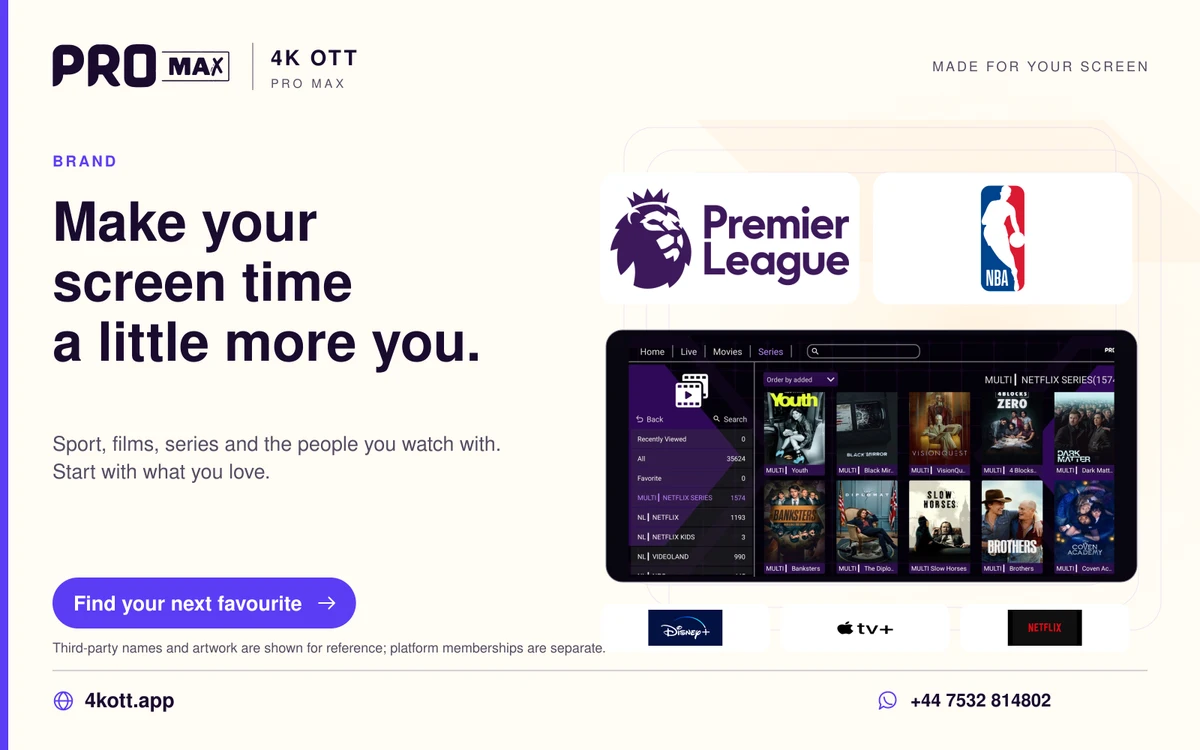
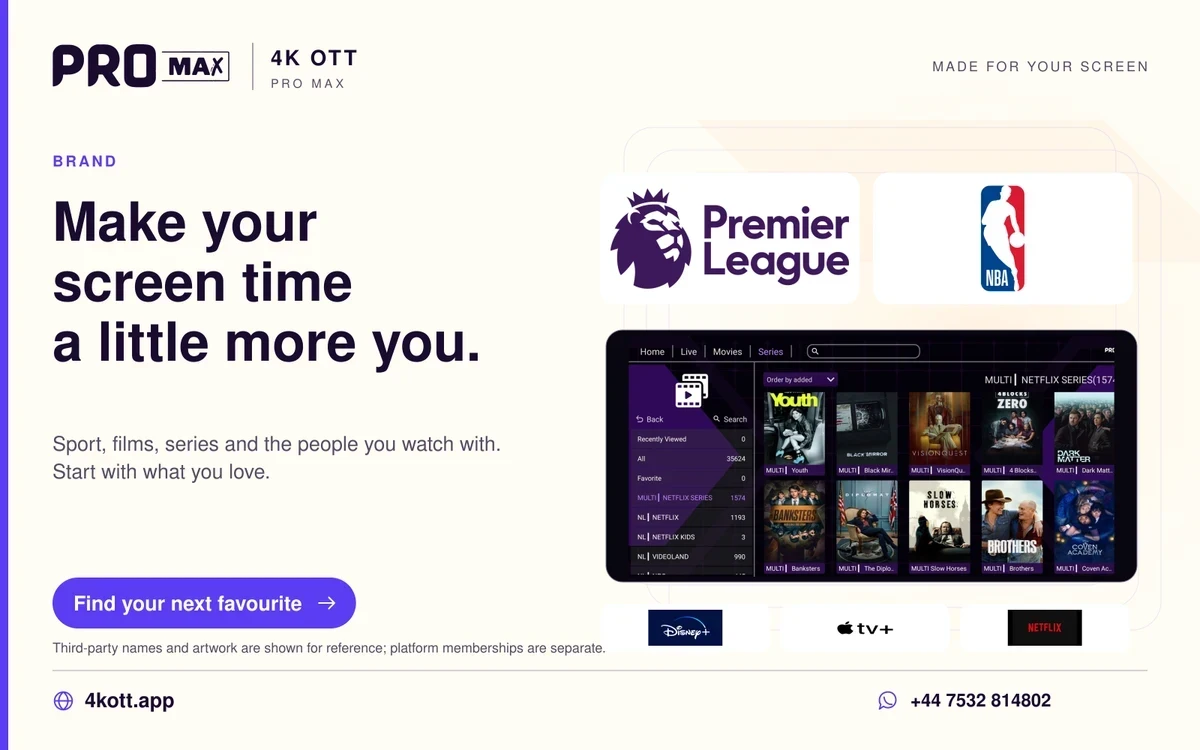
If a league lists its own streaming app, identify whether the household is shopping for direct membership in that app or a linear broadcaster carrying an event under its own agreement. A provider logo in a guide signals an editorial subject. It does not grant membership in another service. A household that already has an authorized route may find the real problem is app navigation or input switching rather than access. Compare the confirmed alternatives before paying another subscription for the same objective.
If the household is on the boundary of two broadcast markets, identify the actual home viewing area and the specific station or feed. The nearest team geographically is not necessarily the team whose game the local broadcaster schedules that evening. Describe any planned travel separately. Permission to use a single account at the main address does not tell a buyer whether it can be used at a vacation property or viewed simultaneously by relatives elsewhere. Ask for the conditions relevant to the agreement being offered.
Keep the seller's answer with its date and the exact event question. “Saturday coverage on this feed at this address” is a narrow, useful statement. A response about an entire competition without an applicable event or territory may still require a follow-up. If the game is essential and no suitable route can be confirmed, buying the shortest term still exposes the household to a purchase that does not meet its core requirement. It is acceptable for a comparison to end with a decision to wait.
| Viewing term at 4kott.app | Full USD total | Monthly figure for comparison |
|---|---|---|
| One month | $9.99 | $9.99 |
| Three months | $24.99 | $8.33 |
| Six months | $39.99 | About $6.67 |
| Twelve months | $54.99 | About $4.58 |
Suppose a family needs six weeks around a particular tournament. The listed schedule offers months, not a six-week term. Two consecutive one-month purchases would cost $19.98 if the same price and account renewal arrangement apply. One quarter costs $24.99, a difference of $5.01 for a longer commitment. First confirm that the events the family cares about are actually covered in their market. The cheapest way to cover a date range is no bargain if the required broadcasts are elsewhere.
For a family staying four months, a three-month term and a single month total $34.98. Six months cost $39.99. The extra $5.01 may be worth paying to avoid another order or cover a possible longer stay. A family committed to five months would spend $44.97 buying a quarter plus two individual months, so the six-month $39.99 term can already be cheaper at unchanged prices. Ask whether consecutive renewals retain the old expiry and whether separately paid charges apply to each transaction before relying on the combination.
At twelve months, two six-month terms total $79.98. One year is $54.99. The $24.99 difference is a valid comparison only for a buyer who genuinely expects a full year and accepts the upfront commitment. Six months at $39.99 purchased today is $15 below an immediate annual purchase. A household that may move at midyear can make a respectable decision either way once it knows whether a move is allowed under the intended arrangement.
Read the three-month entry carefully. At $8.33 per month it multiplies neatly to $24.99. The annual comparison figure rounded to $4.58 does not multiply exactly back to $54.99. This is how ordinary rounding works. The figure on the bill is the full selected term. The same distinction matters if the payer has a monthly entertainment budget and wants to know both the equivalent rate and the amount leaving the account today. Enter those as separate fields.
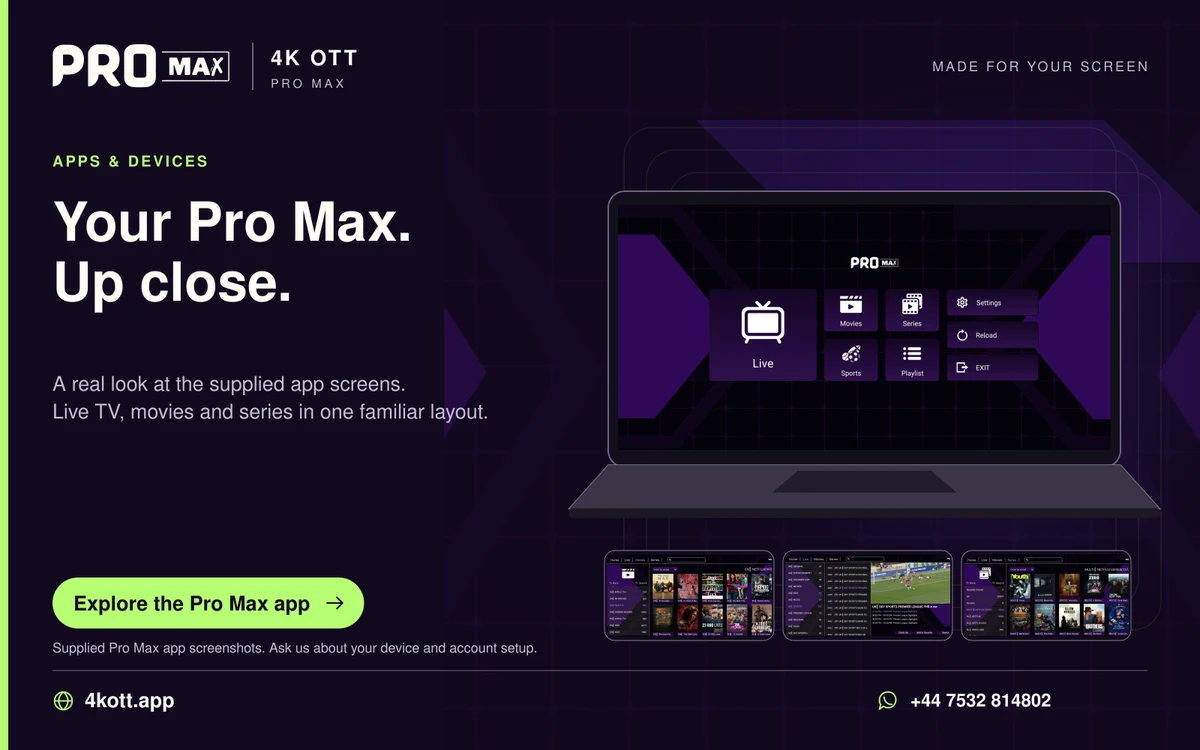
A Google TV household should begin in the actual device's app store. The seller's Android and Google TV guide recommends a TV-compatible edition that can be navigated with the remote. An application designed for a touch screen may be awkward or inappropriate even when the product names resemble each other. Find the exact supported store listing for the television or box, confirm the publisher and identify whether there is a separate charge. Ask the provider what account format the installed player should receive.
For a Fire TV setup, the hardware generation matters. The seller distinguishes Fire OS from newer Vega OS devices and asks the buyer to identify the particular model. A process used for a different Fire TV generation is not evidence of compatibility on yours. Explain which device runs the software. A Samsung television receiving an external Fire TV stick's output does not install the stick's player through the television's native app store. The display maker and the player platform play different roles in diagnosis.
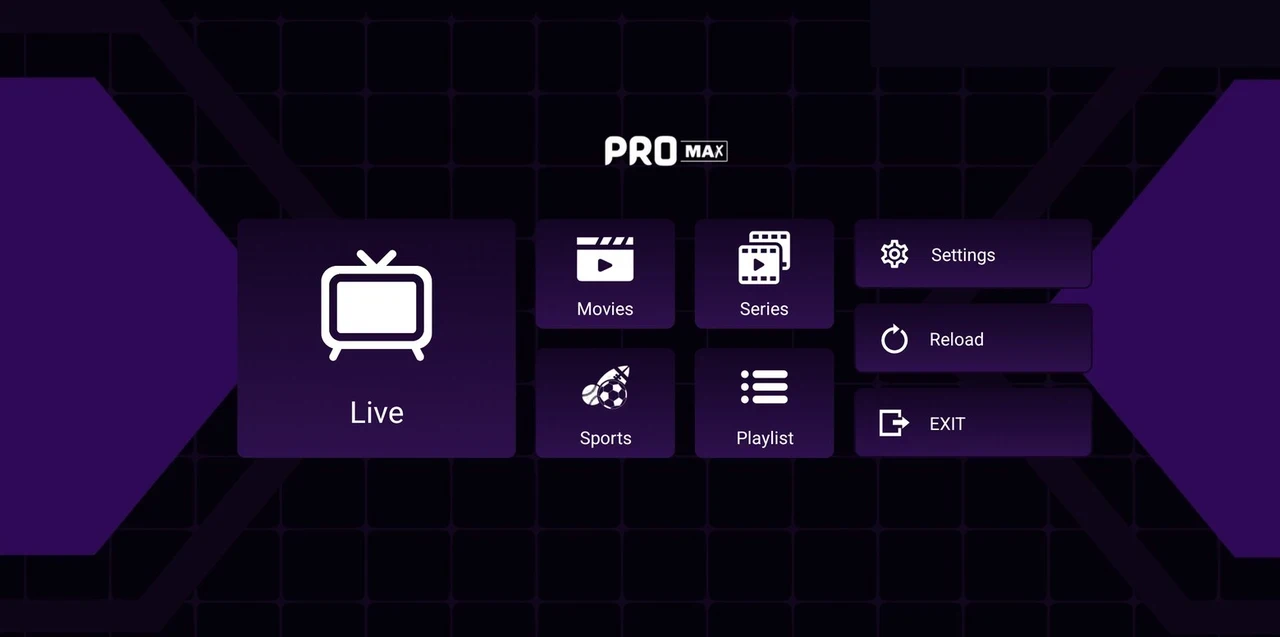
On either installation, try a complete remote-only journey. From a normal stop, open the application, select the correct profile, find a program, change audio or captions if available and return to the television's usual input. Someone setting up a device from a phone can miss the step that frustrates the actual viewer every evening. Try it with the person who owns the remote. A misplaced back button or unreadable keyboard can be a more expensive problem in daily life than a small difference in subscription price.
Keep credentials out of any public discussion about this setup. If a support agent needs the structure of an input screen, describe its field labels or send a redacted picture privately. An entire playlist address, a device-specific activation link or a machine-readable code can expose more than the customer realizes. A contributor to the community forum can still identify the device generation, app version, error text and step that failed without giving strangers any ability to use the account.
A source that looks excellent during a quiet introductory shot can show different limitations when play accelerates. Watch the same legitimate program from the same seat and pay attention to the particular thing the viewer notices. The score graphic losing detail, a moving ball appearing uneven, and the entire image stopping for several seconds are distinguishable symptoms. Use those words when writing to support. Calling them all “low quality” hides information that might point to different causes.
If motion is the complaint, note the display mode or processing setting currently in use before changing it. A television may treat different inputs differently. A test in one application on the native television and another through an external box could therefore use two display configurations. To compare services, keep the source device constant where possible. To compare devices, keep the authorized program and viewing account constant where permitted. Drawing both comparisons at once produces a striking difference and very little understanding of what produced it.
For regular pauses, record whether another permitted station on the same account also pauses at the same time and whether unrelated ordinary apps on that device are affected. A network measurement from a phone beside the router is not a direct measurement of conditions at a television behind two walls. If the household normally watches on Wi-Fi, the household is buying for that actual arrangement. A practical comparison with a supported wired connection can help locate a problem without promising a particular speed or diagnosing an entire network from a single event.
Audio deserves a separate entry in the notes. Can the viewer understand commentary through the usual speaker system? Does the selected language stay in effect after returning to the station? If the native television speakers work and the soundbar does not, tell support exactly which output was in use. The provider and player may supply the soundtrack while the television and receiver select and reproduce it. A new subscription should not be presented as a fix for an unexplained problem at the last link in that chain.
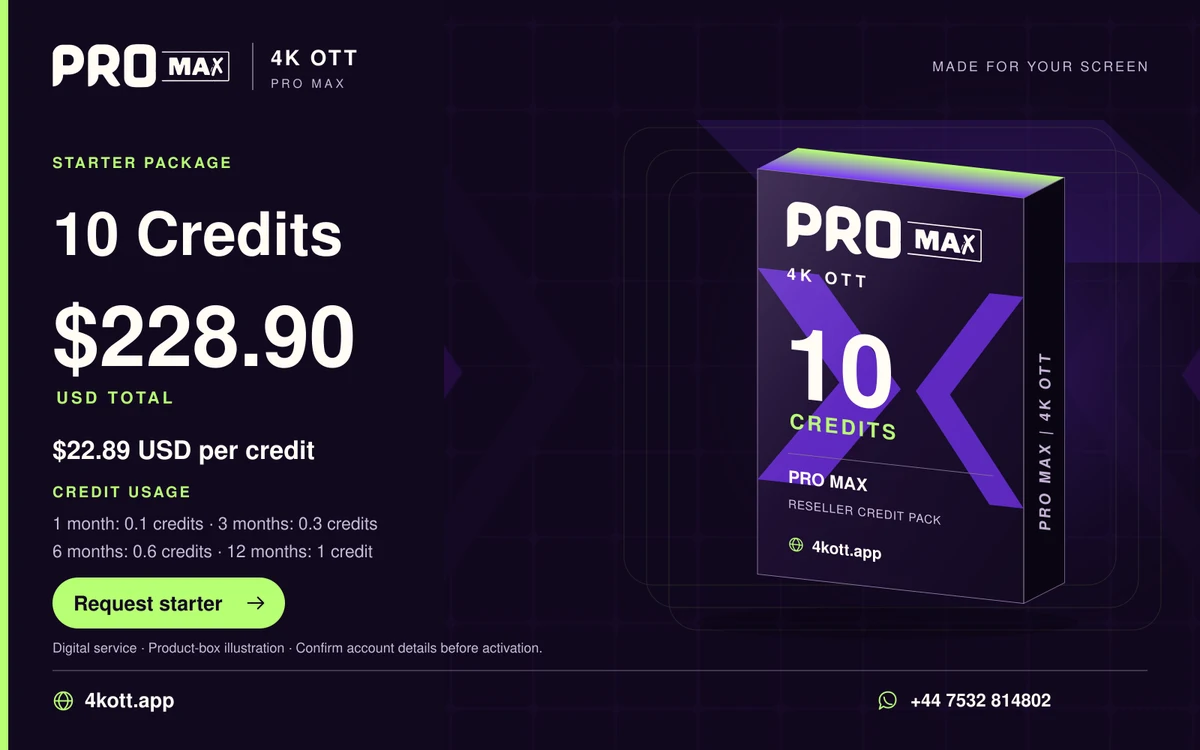
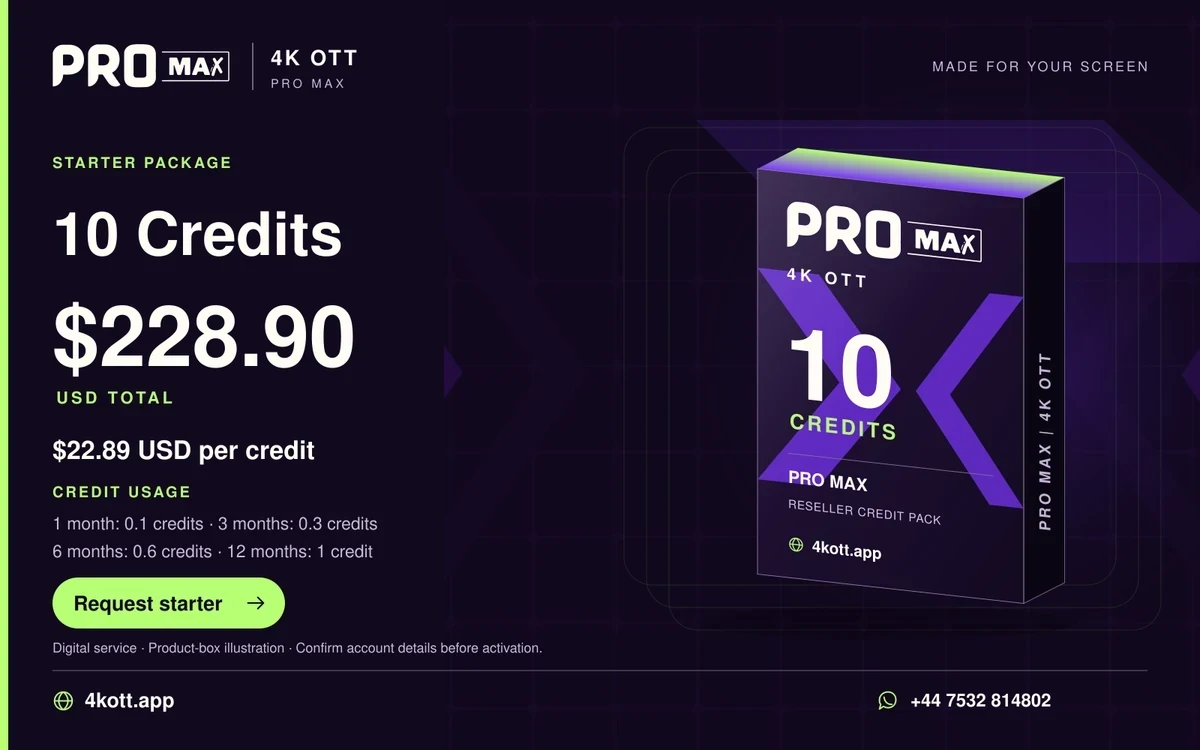
The Pro Max business program at 4kott.app lists Starter with ten credits for $228.90, Growth with twenty-five for $547.50, Professional with fifty for $1,024.50 and Enterprise with one hundred for $1,899.00. Each total is in U.S. dollars. The implied unit prices are $22.89, $21.90, $20.49 and $18.99. The business purchases the full inventory pack. An operator does not pay just the unit figure in order to receive a complete pack of credits.
The published term table assigns 0.1 credit for one month, 0.3 for three, 0.6 for six and 1.0 for twelve. Consequently a ten-credit pack can cover ten standard annual assignments or one hundred individual monthly assignments under that program, provided the named account and permissions follow those published rules. The same pack cannot provide both sets at once. Additional connection arrangements, trials or exceptional account actions require their own confirmation from the operator.
| Pack | Allocated cost for one month | Three months | Six months | Twelve months |
|---|---|---|---|---|
| Starter, 10 credits | $2.29 | $6.87 | $13.73 | $22.89 |
| Growth, 25 credits | $2.19 | $6.57 | $13.14 | $21.90 |
| Professional, 50 credits | $2.05 | $6.15 | $12.29 | $20.49 |
| Enterprise, 100 credits | $1.90 | $5.70 | $11.39 | $18.99 |
These dollar amounts are rounded allocations from the actual paid pack under the stated model. A retail year costs $54.99 on the published household schedule. The $22.89 in the Starter annual column describes the portion of a reseller's pack assigned to that one term. The $32.10 arithmetic difference between those two figures is not a promise of profit. Payment handling, support labor, actual permitted retail arrangements, customer remedies and unsold stock all affect the business result.
It is worth checking the cheapest-looking tier in full. The Enterprise average of $18.99 per credit still requires a $1,899.00 purchase. A shop with three signed annual customers and no other known demand does not need one hundred credits to fill those three assignments. The Starter pack's higher unit price may fit its real obligations better. A useful price comparison should show what the buyer has to spend now and what portion of the resulting stock has an identified purpose.
Suppose a local shop has five confirmed customers asking for one month, six customers asking for three, two customers asking for six and three customers asking for the year. The standard requirement is 0.5 plus 1.8 plus 1.2 plus 3.0, which totals 6.5 credits. A Starter pack covers the sixteen approved accounts and leaves 3.5 credits. At $22.89 a credit the allocated cost of the fulfilled work is $148.785 before display rounding. The opening cash payment remains $228.90.
Change the composition of those sixteen customers and the answer can swing widely. Sixteen annual assignments require sixteen credits. Sixteen monthly assignments require only 1.6. Quoting the number of signups alone is therefore an unreliable basis for choosing the Starter or Growth pack. Forecast duration first, then ask whether projected renewals are real authorizations or tentative interest. A family saying it might stay for a year has not instructed the seller to use one whole credit now.
For a requirement of twenty annual assignments, two ten-credit Starter purchases would total $457.80 if repeat purchases are allowed. The Growth pack costs $547.50, an additional $89.70, and supplies twenty-five credits. If five more authorized annual renewals are imminent, that extra stock may be sensible. If the new customers are uncertain, the shop has a different decision. The lower published unit cost on Growth cannot settle the timing or likelihood of those five further accounts.
For one hundred credits, two Professional packs would cost $2,049.00. The Enterprise pack costs $150.00 less for the same nominal quantity. Check that the operator regards the customer account conditions, permissions and term deductions as comparable across the selected packs. A program can attach different commercial conditions to quantity purchases. The public arithmetic is valuable because it makes the next question precise: what exactly changes, apart from the unit price, in the agreement the operator will provide?
A reseller who sees the balance decline by the expected 0.3 credits after a quarterly renewal has established one part of the transaction. They still need to confirm the correct customer account and new expiry. If the wrong account received that quarter, the balance may look entirely correct while the paying customer has no added service. A workable closing procedure confirms starting balance, target account, intended action, published or agreed debit, final balance and customer end date.
Imagine an account with ten days of existing access. The buyer wants six more months. Ask whether the operator extends from the existing expiry or starts a new six-month period immediately, and how its panel handles the requested action. In the first case the customer expects the paid ten days to remain before the extension. In the second the practical result could differ. Get the expected new date from the issuer and give it to the buyer. The term name on its own leaves the most likely source of dispute unanswered.
Keep a single private order reference through the workflow. Payment notification, support message and panel action can arrive in different systems. A repeated customer message following a time-out is easily mistaken for a second order if the reseller has no way to recognize the original. Check whether the first action changed the balance or account before trying again. If the outcome is uncertain, contact the assigned operator with the specific reference and timestamp rather than spending another debit to see what happens.
Know the route for correcting an error. Ask what information the operator needs, whether any reversal is possible and what the customer should expect while the matter is investigated. A panel screenshot demonstrating the ability to create an account does not document the rules for undoing a paid action. If a purchase is resolved by issuing replacement access, confirm whether the earlier account should be retired, what the new expiry is and which saved profile the viewer should now use on their actual device.
A familiar local installer can be an excellent first person to call when a remote stops navigating correctly. That does not automatically make the installer the merchant responsible for a viewing account, the publisher of a television app or the operator who can alter an expiry. Clarify the relationship before paying. Is the family buying directly from 4kott.app, buying a household account supplied by an authorized reseller, or paying somebody only to install a compatible application? Each arrangement puts the receipt and the follow-up work in different hands.
Write a handoff note that respects those roles. For the family, list the playback device, app name, ordinary route from the remote to the guide and the name on the viewing receipt. If a software license was purchased independently, identify its store and purchaser separately. Keep account credentials in the appropriate private place. A note by the television can say which input to select without giving any visitor the ability to access the account elsewhere.
For billing, keep the confirmed term, total, date and order reference. If a local reseller took the payment, the family should know how to reach that seller and when the operator should be involved. If a device change is necessary, the software publisher may control whether the app license moves. The family should never have to guess which of three separate businesses can assist with which problem. This is a practical selling point for a careful reseller and costs less than making promises about how every program will perform.
For continuing support, establish what the installer or seller has agreed to do after the initial visit. A one-time installation payment might cover setup alone. A separate support arrangement might cover a follow-up call or troubleshooting. Either can be reasonable if the scope is clear. Give the household the information it needs to decide whether that support layer has value alongside the subscription price. A buyer comparing only the yearly headline may miss the cost of help they know they will need.
A café owner can have a perfectly good television, a working player and a home subscription that technically displays a particular match. Those facts do not establish authorization to show that program to the public in the café. If the intended use includes customers, a members' club, multiple rental units or broader distribution, describe the setting and ask the appropriate rights holder or authorized distributor about that use. Establish the territory, audience and event with the parties able to authorize it before spending money on the installation.
4kott.app publishes wholesale and distributor enquiry routes. A wholesale enquiry can start with the number of credits requested, likely term mix, buying window and support responsibilities. A distributor enquiry should identify who would manage downstream sellers, how customer support would be escalated and what permissions the parties would need. Neither page grants a particular territory, public-performance rights or approval to use another company's marks simply because a visitor can open the form.
A production company wanting to send its own authorized event to viewers has another distinct task. It needs an arrangement for source contribution, ingest, encoding, storage or live delivery as appropriate. Buying a retail viewing term or a reseller panel with customer credits does not establish that technical service. Specify what the production team owns, what it needs delivered and who will operate each stage. The independent managed infrastructure entries in this store address those buying questions separately from subscriptions and reseller balances.
For a straightforward household, none of that complexity needs to be added to a simple order. State the actual device, viewing area, intended program and one versus multiple screens, then ask the seller for the final written terms and applicable refund procedure. The before-order page at 4kott.app specifically directs buyers to confirm payment recipient, activation and connection details. Those are sensible things to settle before a year-long commitment. Where the seller provides a one-day trial, use it for questions that can actually be observed at home.
A practical trial record starts with the time and the exact item you opened. Name the player and the device running it. Include the television input if an external device is involved, and indicate whether the television speakers or an external audio system reproduced the sound. Leave the picture mode as normally used for the first observation. That is the experience the family would otherwise be buying. If a change makes the experience better, record just that change and see whether the improvement survives an ordinary exit and return.
Write the evidence in layers. At the device layer the box reached its configured output mode. At the player layer the account opened and the player displayed the named program. At the viewer layer the commentary was intelligible and the scoreboard remained readable during a particular passage. If the player offered no reliable source-format information, leave that line open. A trial can establish that the picture looks good enough for its intended viewer without establishing the production format of the broadcast. Those conclusions are compatible.
Try one mundane action that often exposes a difference between a showroom demonstration and a home. Switch to the normal antenna or another app to see a weather bulletin, then return to the external player. Does the chosen program remain available? Can the viewer get back to it using the household's usual remote? Is the audio still coming from the expected speakers? A crisp opening picture does little for someone who cannot reliably return to the correct input after answering the door.
A household can apply the same record when the program changes next week. An isolated problem in one fixture may come from the source for that event. Similar problems across several independent applications on the same device could point the investigation in another direction. Record the pattern and let the responsible provider investigate its own part. The comparison is useful because it limits what must be guessed. It does not transform a domestic test into a measurement of a provider's service across the entire United States.
Consider the household deciding between a three-month and a twelve-month order. The current listed totals differ by thirty dollars. If the shorter term turns out to fit perfectly and the viewer wants a full year, they can ask how to continue and what rate applies. If the household moves unexpectedly after two months, the prepaid annual term leaves more money tied up in the original decision. A refund policy, where applicable to the order, deserves a careful read before pricing that risk as if a refund were guaranteed.
Compare that with the reseller choosing a Professional pack. The full $1,024.50 is payable for fifty credits. Five annual orders consume five credits, so the pack allocation for those five at the Professional unit rate is $102.45. The business still paid for the other forty-five. A projection that enters only $102.45 on the purchase date makes cash available in a spreadsheet that is no longer available in the bank. A separately recorded closing balance explains the difference without pretending that the money has disappeared.
If the business instead buys a single Starter pack for $228.90, the same five annual assignments have an allocated cost of $114.45. That is twelve dollars more on the five assignments than the Professional allocation, while requiring $795.60 less at the outset. The comparison does not declare a winner for every shop. It expresses the price of obtaining a lower unit cost on this small order book. A business with reliable upcoming renewals may accept the bigger commitment. One testing a new operator may have better uses for the cash.
The same idea applies to staff time. Suppose a new customer asks for help distinguishing a Fire TV device from the television behind it. If an experienced installer handles the question in one short conversation, the service can be economical. If the reseller promises unlimited home visits on every order without pricing that promise, the advertised spread between credit cost and retail price bears little relation to the actual business. Agree on the service being offered to the household. A small, clearly described setup service can be more valuable than vague assurances about picture quality.
For a residential purchase, tell 4kott.app which plan total the family sees, where the account will ordinarily be used, which device and player will run it, how many concurrent viewers need service and which program could decide the purchase. Ask for the payment recipient, full price and effective start of the term. For a retail buyer who cares especially about a match, include the date and the broadcaster or territory rather than an unsupported expectation that every event on a league schedule is included.
For a business purchase, name the selected pack, confirmed customer-term mix and the exact panel actions for which the business needs permission. Ask for the applicable debit schedule, credit lifetime and procedure for correcting an incorrect assignment. Keep the response with the dated pack price. A family and an account operator can both make sensible use of this provider's public information, but they should leave the buying conversation holding different evidence. One needs a viewing account that suits the actual television. The other needs inventory and a documented way to deliver what it has promised.
After the first transaction, check the result on the screen or panel the purchaser intended to use. For a family, that means finding the agreed program, checking the playback condition they were concerned about and locating the actual account expiry. For an operator, it means checking the credited stock against the invoice and the first authorized debit against its new account date. Both checks are easier while the selected plan, submitted enquiry and seller response are still beside one another.
If something differs, start with one testable discrepancy. An amount on a receipt is different from the amount agreed, a customer line has a different expiry, or a named station is missing on a specific account. Each can be investigated by the party with the appropriate records. A general complaint about a service name printed on a television gives everybody less to work with. The value of a clear purchase lies partly in how easy it is to correct when a small detail goes wrong.
4kott.app subscription schedule · Pro Max reseller totals and deductions · Ten-credit pack details · One-day trial · Device directory · Fire TV setup · Android and Google TV · What to confirm before ordering · Refund and order review · Wholesale · Distributor enquiries.
Suppose you expect to watch for six months. At the listed single-month amount, six separate purchases would total $59.94 USD. The six-month offer asks for $39.99 USD up front. That comparison assumes every new month is available at the listed amount. Check renewal separately before relying on it.
| Viewing period | Separate monthly purchases | Single matching term | Difference | Monthly purchases to reach term price |
|---|---|---|---|---|
| 3 months | $29.97 USD | $24.99 USD | $4.98 USD | 3 |
| 6 months | $59.94 USD | $39.99 USD | $19.95 USD | 5 |
| 12 months | $119.88 USD | $54.99 USD | $64.89 USD | 6 |
Read the final column as a spending threshold. If you expect to cancel sooner, compare the shorter commitment with the cash you would have paid up front. The figures exclude fees the seller has not confirmed.
Check 4K OTT subscription termsThe smallest priced pack in this register holds 10 credits and costs $228.90 USD. The largest holds 100 for $1,899.00 USD. Their displayed unit costs are $22.89 and $18.99 respectively. The published deduction for a standard twelve-month customer is 1 credits. Check the operator’s treatment of additional screens and renewals.
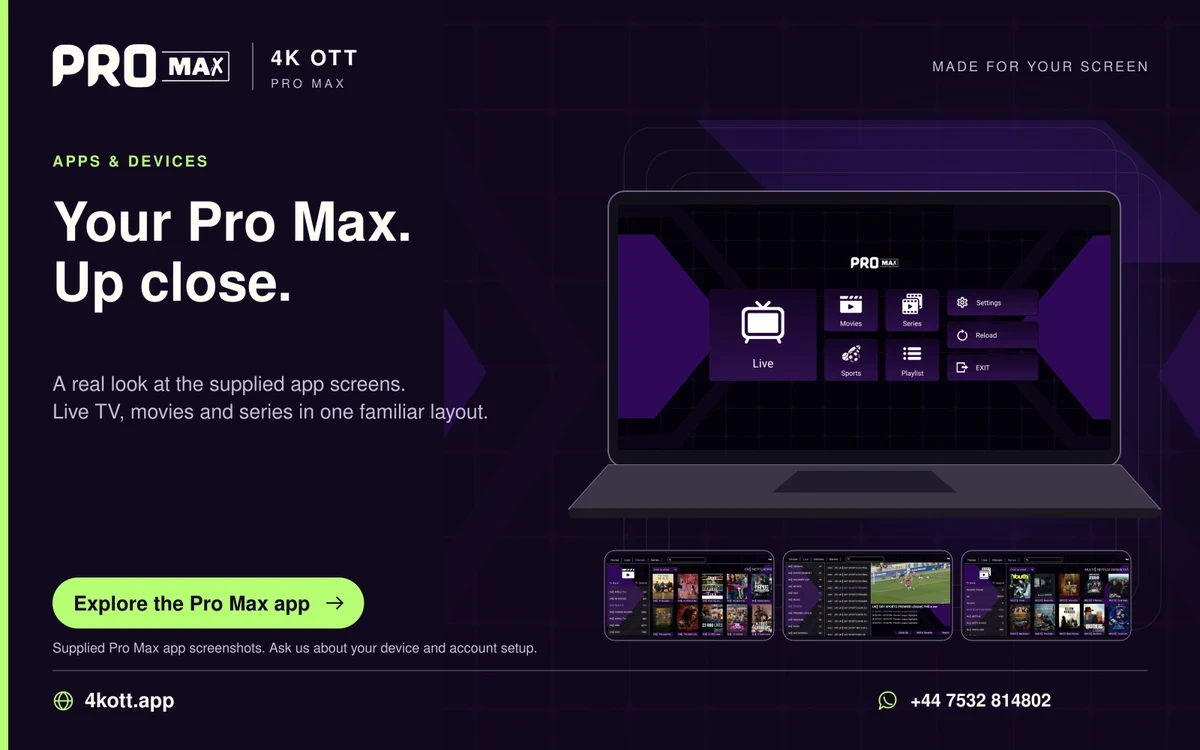
The image link identifies the exact file served by the provider.
Choose a matchup to see the actual currency, term and outcome.
Open the caption on a website-sourced image to see its original. The remaining captions identify material supplied with the provider archive.