provider
Hello Sky
Compare the documented term and reseller routes separately. Confirm the customer’s device at checkout.
hellosky.tv · Check exact market
Open the official Hello Sky websiteThe 1 month plan is listed at $7.99 USD. The operator also lists 3 reseller pack sizes.

hellosky.tv
The 1 month plan is listed at $7.99 USD. The operator also lists 3 reseller pack sizes.
The 1 month plan is listed at $7.99 USD. The operator also lists 3 reseller pack sizes.
Compare the documented term and reseller routes separately. Confirm the customer’s device at checkout.
hellosky.tv · Check exact market
Open the official Hello Sky websiteHello Sky maintains the site at hellosky.tv. Check who issues the invoice and who replaces the access if the app or TV changes. The buyer needs both answers before paying for a long term.
Document review · November 19, 2026. Playback performance, service rights and ZIP-level access require separate evidence.
The 1 month plan is listed at $7.99 USD. The operator also lists 3 reseller pack sizes.



hellosky.tv
Someone buying Hello Sky for a single television starts with a surprisingly small question. How long does this setup have to work before the money spent makes sense? The prices on November 19, 2026 were $7.99 for one month, $19.99 for three, $34.99 for six, and $49.99 for twelve. Those are U.S. dollars for the whole period. They buy different lengths of access. They tell you remarkably little about whether the caption controls on your Samsung will suit the person who uses them every evening.
Hello Sky makes this distinction worth examining because it also sells wholesale credits. The dollar amounts on that part of its website look tempting beside the household prices. A credit is an accounting unit for a reseller. A family cannot budget a home subscription by multiplying the wholesale unit rate by twelve and expecting the resulting bill. The reseller buys a block, operates accounts and has obligations to customers. A household orders a service for its own use. Begin in the right department and a fair amount of the apparent complexity falls away.
A sensible first decision for a new household is to prepare its actual television for the advertised one-day trial. Decide who will use the remote, which programme will be on at the right time and which question the trial should settle. Then price the months that the household has reason to buy. A family that watches year-round has a different answer from someone temporarily furnishing an apartment. Both can read the same price table correctly.
| Term at Hello Sky | Full USD total | Additional cash over the preceding listed term | Extra time bought |
|---|---|---|---|
| One month | $7.99 | — | First month |
| Three months | $19.99 | $12.00 | Two more months |
| Six months | $34.99 | $15.00 | Three more months |
| Twelve months | $49.99 | $15.00 | Six more months |
Consider the choice between six months and twelve. There is a real $15 difference at checkout. If you will use all the added months, that works out to $2.50 for each additional month of time. If you stop after six, you have spent the same additional $15 and used none of the extension. The savings advertised by a longer term and the money exposed if you leave early belong on different lines in a family budget.
A third way to look at the figures is to start from the stay you actually know about. Four months made from one three-month term followed by one month would total $27.98 at the listed prices. Six months up front would cost $7.01 more and buy two further months. Someone certain to move away after four months has an especially good reason to check whether service can follow the move before paying that difference. These are comparison exercises. Confirm that a later renewal can be bought at the recorded price and that its time follows the existing term.
A rounded monthly equivalent can be helpful for comparing services in the same currency. It cannot be used to predict an instalment on the next statement. The year averages about $4.17 per month when rounded. The published annual purchase takes $49.99. If a seller presents a different charging arrangement, keep the written offer with the order and use that agreement for budgeting.
Hello Sky describes a trial lasting 24 hours from activation. That detail changes when to ask for it. Turn on the intended television, identify its platform, have the appropriate player ready and arrange a time that includes the household's normal viewing. Asking at 10 a.m. because there is time to send a message makes little sense if everyone is out until the following evening. Ask the operator when the clock actually starts and save its answer with the intended end time and zone.
The first person to pick up the remote should have a realistic task. “Find this evening's local weather, then return to the programme you were watching” is more informative than letting an experienced installer race through a series of menus. If the trial opens tomorrow's schedule on the wrong day, note what the clock said and what the screen displayed. The person who places the order often has excellent eyesight, knows how to type on a television and never uses captions. The eventual viewer may have quite different requirements.
Leave a little time later in the same trial for an ordinary restart. Stop playback, exit the player using its normal command and reopen it. Check whether the chosen channel or favorites remain easy to find. Try a cold start only if that is part of the household routine. A test that imitates the way the family will use the device earns its place. Repeatedly resetting a box because someone wants to see what breaks mostly consumes trial time.
There should be a useful result even if the family decides to wait. Record the device model, app publisher and charge, what played, which feature was absent and the one question still owed by the operator. A month at $7.99 is an understandable second test when only a slow-moving issue remains. Buying six more months to answer the same unresolved question rarely improves the evidence.
Hello Sky has separate setup material for Samsung Tizen televisions and Fire TV Stick devices. Many living rooms contain both. A household can watch through an app installed on the television itself or through the stick attached to an HDMI input. The television's make describes the display in both cases. It identifies the player platform in only one. Decide which route the regular viewer will use before asking support for installation directions.
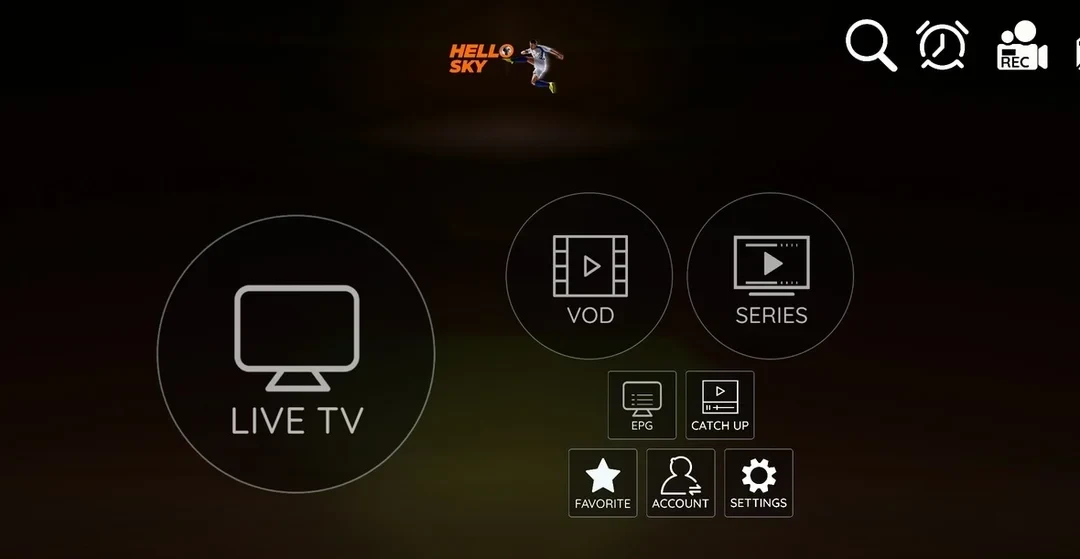
For the Samsung route, open the television's settings and identify the full model and current software. Locate the app through the normal store available on that television in its region. Check the publisher and any purchase terms. A logo remembered from a previous set may lead to a different app with a similar name. If the expected app is missing, tell Hello Sky which store and model you checked. Asking for the closest supported alternative is more productive than purchasing an unfamiliar app and hoping someone will support it afterward.
For the stick, select its HDMI input and identify the stick model using its own settings. Note which remote controls the home screen and which remote switches the television input. Try powering the system off and back on exactly as the viewer does. If the television opens its built-in home screen while the player lives on the stick, that is an input-selection issue the family can fix without changing its subscription. A small note near an unfamiliar remote can be worth more than an extra installation guide.
If both paths are offered, try them at separate times within the allowance Hello Sky confirms. Compare the steps needed to get from standby to the programme. Count the occasions on which someone has to search for the other remote. The simpler path is often the better purchase decision for that household even if a comparison chart gives both devices the same check mark.
A family in the United States usually has something quite specific in mind when it asks for local television. It may want the weather desk that covers the school district, the evening newscast in a particular language or a public station with a familiar children's schedule. A large national channel count cannot settle any of those requests. Tell Hello Sky the viewing ZIP or market, the station identity if known and the programme and time you intend to check. A general description of national coverage is an incomplete answer to that request.
Check the programme rather than just the station label. Two similarly named feeds can air different local inserts or run an hour apart. Write down the title on the guide, what appeared at that moment and the time zone of the television. If the picture looks right but the guide points to tomorrow's bulletin, the problem to investigate is the guide or clock. If the guide looks right and the programme belongs to another city, the operator has a different question to answer. Swapping accounts at random can obscure both.
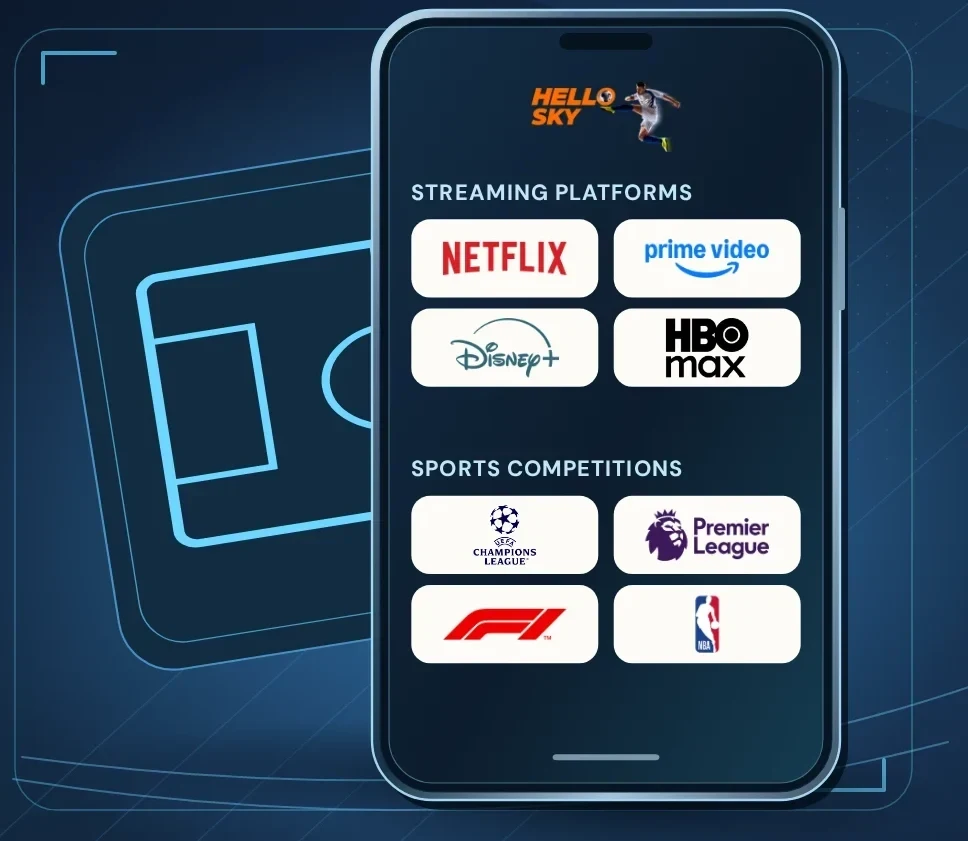
Handle a live event with equal specificity. Name the event, date and viewing location. Ask the seller to confirm what the account is entitled to receive at that address. A logo on an entertainment or sports page can be a useful navigation aid. It cannot establish the rights or the exact feed available to the family. If an event decides the purchase and its availability cannot be confirmed, price the subscription as though the event were missing. You can always change that decision when better information arrives.
A viewer helping a parent can make this test less abstract by using the family's own words. If everyone calls a station “the channel with the school closings,” find its formal name together. Keep both names in the note. That makes the question intelligible to a support representative without losing the description that actually helps the viewer find it again.
Suppose the evening bulletin plays cleanly, yet the title printed under it belongs to an earlier programme. Do not start by changing the network password. Compare the device's system time with the current time in the viewing location. Check a second station whose current programme you know. A shift affecting the whole guide suggests a different investigation from a single incorrect programme entry. Photograph only the relevant title and clock if support needs to see them.
Now take the opposite case. The guide shows the expected programme in the correct slot but the picture pauses. Note whether other programmes show the same symptom. If possible, check a known working app on the same device and home connection without changing the Hello Sky setup. A clean result elsewhere does not prove the operator caused the pause. It provides a useful comparison. Separating the picture from the schedule gives a support representative one well-defined symptom to investigate.
Try the audio and caption tracks on a programme where the family expects them. Record the selected language and whether the setting persists after leaving the station. Some viewers need a large caption style, others need an alternate audio track, and neither requirement is answered by an icon on an app menu. The useful finding is whether the chosen track actually worked for that programme on that set. A viewer who relies on it should be the one to judge readability from the normal seat.
A daily habit exposes faults a rapid tour misses. Leave one programme playing through a normal transition if the trial allows. Reopen favorites instead of repeatedly using search. Record the time at which anything changed. A support question tied to the exact symptom, device and time requires less personal information than forwarding a picture of the entire account page.
The consumer offer has at least three parties that can matter later. Hello Sky supplies the viewing account under the agreed order. A player developer may charge separately for software. A payment processor can appear on a receipt. Write down the business named on the order, the selected length, the amount actually due and the route for account support. These details let the household distinguish a service renewal from an app licence charge that happens to arrive in the same month.
Ask when the paid period begins. A trial that expires on Friday and a paid order placed on Thursday can produce very different expectations about the first paid day. Ask whether an early renewal appends time, starts a new account or replaces the existing expiry. Keep the prior expiry available until the new one is displayed correctly. A support representative can investigate an explicit date difference much more readily than an impression that the term looks short.
Connection count deserves one plain sentence in the order record. State whether the home needs one active playback session or more than one at the same time. Explain if the second device is only used after the first stops. Ask for the price of the exact arrangement rather than budgeting two subscriptions by assumption. The ability to install a player on two devices gives no answer about simultaneous viewing or fees.
If the seller offers a correction, ask for the action and expected completion in one reply. Check the account after that time and keep a record of the outcome. Sharing operating details in a public help thread can benefit another buyer. Keep the actual order reference, account details and any login or renewal link inside the private conversation with the right seller.
Hello Sky's dated wholesale table gives an unusually clean starting point for arithmetic. A one-month activation consumes one credit, a three-month activation three, a six-month activation six and a twelve-month activation twelve. The table lists 250 credits at $287, 500 at $495 and 1,000 at $950. The shapes of those two tables are different. One tells you how a balance goes down. The other tells you what cash it takes to buy that balance.
| Pack | Whole-pack amount | Exact dollars per credit | Twelve-credit allocation |
|---|---|---|---|
| 250 | $287.00 | $1.148 | $13.78 rounded |
| 500 | $495.00 | $0.99 | $11.88 |
| 1,000 | $950.00 | $0.95 | $11.40 |
That third decimal on the starter pack is worth retaining in calculations. Multiplying the rounded display of $1.15 by 250 produces $287.50. The actual pack total on the published table is $287. Use the full purchase amount divided by the pack quantity, multiply by the deduction and round money for display at the end. On a single annual activation that difference is just a few cents. Across a whole pack it explains why the ledger and a shortcut spreadsheet differ.
An allocation is an internal estimate of the stock consumed. It does not mean a new reseller can open a panel with a $13.78 deposit. The listed starting purchase is the full block. It also says nothing about what a reseller is entitled to charge or what it will retain after payment costs, customer support, tax and any refunds. Set those questions alongside the credit model before deciding that the margin implied by two numbers is a business plan.
Older Hello Sky material can present general per-credit rate tiers. Use the operator's written pack quote and dated wholesale table for the exact stock purchase in front of you. If two pages disagree, send both addresses with the intended quantity and ask which total, deductions and conditions govern that particular order. A dated reply for the chosen package is a better operating record than whichever search result happens to appear first.
Imagine an operator maintaining a small desk through the next three weeks. Seven households have confirmed a three-month renewal, four want six months and two have confirmed a year. Four other people have expressed interest without placing an order. On Hello Sky's published schedule the confirmed work requires 21 plus 24 plus 24 credits, or 69. Leave the four enquiries outside that total until their intended terms and actual orders are known.
A balance of 72 is enough for those confirmed renewals, with three credits left. That sounds comfortable until you put the expiry dates in order. If the first day requires two annual renewals together, 24 credits must be available that day. Money promised by a new customer at the end of the week cannot pay an earlier supplier invoice. Put each committed debit beside its actual due date. A busy-looking order calendar and a healthy-looking bank balance can coexist with an unusable panel balance.
In the same example suppose the balance is 63. The shortfall is six credits. The smallest published pack is 250, so the desk needs to consider the full $287 outlay and what it will do with the remaining stock. It cannot assume a six-credit top-up exists just because six is the mathematical deficit. Ask about the permitted top-up, timing, expiry and whether an unused balance survives changes to the business account. Delay discretionary activations until authority and funding are clear.
Predicting renewals becomes more useful when you keep the reason for each entry. “Customer confirmed six months” has a different standing from “usually renews in December.” Keep projections in a separate column. If a family changes from an expected annual term to one month, the account can still be renewed, but the forecast changes by eleven credits. Record the new decision before placing the next stock order. A modest paper ledger maintained weekly is more useful than an impressive system full of assumptions.
A desk that expects 200 credits of confirmed activity can cover it with one starter pack, leaving 50. At the stated unit calculation that activity allocates $229.60 of the $287 paid. Buying 500 instead would allocate only $198 to the first 200 credits, but the desk would pay $495 up front and have 300 credits left. The larger purchase saves allocated cost on the work while exposing an extra $208 in cash. Both statements can be true at the same time.
Now change the forecast to 450 credits with firm orders and an agreed delivery schedule. Two starter packs supply 500 for $574. One 500-credit pack supplies the same quantity for $495, a $79 difference. The decision becomes easier if the desk has the cash, documented terms and adequate support capacity. Two separate purchases might nevertheless have operational value if the second block is only needed months later and there is no assurance that demand will materialize. Compare spend by date as well as final total.
At higher volumes, two 500-credit purchases would cost $990 in total while one 1,000-credit pack lists at $950. The saving is $40 for committing to the larger purchase. Compare that $40 with the need to keep money available for a service correction, a support shift or other near-term expenses. The difference between two equally sized final inventories is a sound comparison. Comparing the per-credit headings alone hides the timing of the second payment.
Anyone asking about wholesale or a distributor arrangement should send an order profile. Give the number of confirmed customer terms by length and the time span over which they are likely to activate. Ask whether the published packs apply, what permissions the account gets and who handles disputed activations. A wholesale enquiry on the provider site identifies where to start. It does not grant territorial exclusivity, white-label rights or authority to sell a particular channel package.
A practical customer record for a Hello Sky activation contains the seller-assigned order reference, the requested term, the effective start and end, the expected credit deduction and the resulting balance. Add the device platform the customer actually intends to use and the person responsible for the assembly of the order. An operator can do all of that without writing the viewing password into the general support notes. The person answering “when does my term end?” needs dates, not access to the family's player.
Suppose one employee accepts payment and another performs the activation. Give the incoming employee a record that distinguishes payment accepted, activation requested, activation confirmed and customer advised. The steps can occur minutes apart, yet a queue that records them all as “done” invites a second activation if someone calls between them. If the panel times out after submission, inspect the current balance and existing account history using the supported panel controls before repeating the request. A manual reconciliation takes less time than explaining duplicate stock consumption.
A renewal should carry enough history to find the prior expiry. If the customer changes term or device, record each change in its own field. When a customer calls after a change, the operator can then identify whether the complaint concerns remaining days, app licensing, a login method or a feed. A single note saying “fixed account” obscures what anyone actually did. Use ordinary words precise enough that a colleague can reopen the case next week.
For an end-of-day check, take the starting balance, add documented purchases, subtract confirmed activation and renewal deductions, then compare the result with the panel. Record corrections separately, including who authorized them. If the figures differ, isolate the three or four lines most likely to explain the gap. A trial, reversal or manual adjustment can have operator-specific terms. Ask for the underlying record instead of forcing the balance to match by inventing a transaction.
The most useful message from a household is usually small. Identify the exact set or stick, the app name and publisher, the current term, the affected programme and local time. Say what worked immediately before the problem and whether it still happens on another permitted source in the same app. That gives Hello Sky something to identify. A squashed photograph of a television showing only the word “error” can accompany the detail, but it cannot replace it.
An example might read, “On the Samsung living-room set, the 7 p.m. local bulletin plays. The guide beside it is showing the next programme. Two other stations show the correct current title. The television clock agrees with the time here.” That narrows a guide issue without exposing an account. A different example might say the Fire TV player closes before it asks for an account. The appropriate follow-up for that symptom is the precise player version and store listing rather than a new channel list.
If the viewer reports that the picture freezes every evening, give support two ordinary observations separated in time. Include whether other household network use was the same, whether a different programme paused and whether another app showed the same behavior. Do not assign a cause the evidence cannot establish. A seller can act on a repeatable pattern or explain which part it controls. Promising a relative that a more expensive term will cure the symptom creates a commitment that no price schedule supports.
For a reseller, add the operational state before escalating a problem. If an account shows the correct expiry and the panel balance changed by the expected credits, a new account is unlikely to be the first thing the operator wants you to create. If the term shows an extra month but the receipt requested six, send the dated order details privately. These observations allow the operator to separate an account action from a device issue and protect the unused stock balance.
There is another reason the reseller's dollar ledger can disagree with a quick multiplication, even when the number of credits is correct. Imagine starting with 250 credits at $287 and using 150 before buying a further 500 at $495. The panel should show 600 credits if both orders completed and nothing else moved. Those remaining credits came from two purchases at different unit costs. Multiplying all 600 by the price of the latest pack would erase some of the cost of the remaining starter stock.
For an illustrative internal stock sheet, the 100 starter credits left carry $114.80 at the original exact unit cost. Add the $495 second purchase to get $609.80 of remaining allocated cost. Dividing that total by 600 yields about $1.0163 per remaining credit. Under this particular weighted-average illustration, twelve credits represent about $12.20. If instead the desk tracks old stock first, an early twelve-credit activation might still use the starter allocation. Both illustrations can explain the same panel balance. Pick a consistent method with the person responsible for the accounts, and keep the operator's deduction independent of that bookkeeping choice.
For a customer question about expiry or service, none of these cost conventions changes the term the customer bought. An operator who carries too much information on a customer support screen can end up explaining wholesale arithmetic to a viewer who simply needs the guide to load. Keep the customer-facing record about the agreed purchase, and keep the stock allocation in the operator's private file. Bring them together using the same internal order reference when an audit needs both.
A reseller purchasing at several rates should pay particular attention to returns and corrections. If the supplier grants credits back, record the source transaction and the adjustment it has actually made. An unresolved support case is not a stock credit. Counting the requested adjustment in today's available balance can leave the next operator trying to use stock the panel does not have.
Consider a family with an annual Hello Sky term, nine months remaining and a television about to leave the house. The question is no longer whether the annual price was good. It is how the existing account and any separate player purchase will move to the replacement. Before giving away the old set, write down the provider name, account reference, start date, expiry, app publisher and the model of the replacement. Ask the seller how an existing account changes device and ask the player publisher about its own licence.
If the move is from a Samsung app to a Fire TV Stick, the same app name on both stores does not establish a shared purchase. Find the intended listing on the receiving device and compare the publisher's description with the receipt for the old app. Do this while the old setup still works. Otherwise the household loses its familiar reference before it can identify which step differs. Where the account has a one-screen allowance, close the old session and follow the seller's instructions for the transfer.
After the new setup opens, look up the paid term and check one favorite, one guide entry and one ordinary viewing programme. These checks distinguish an account that transferred correctly from an app that merely accepted a login. Record whether favorites had to be rebuilt locally. If the end date appears different, send the old and new dates through the provider's private support route. There is no reason to post pictures containing the account identifier in a public discussion.
Before the previous television leaves the household, remove saved service credentials and accounts from it using the device's own account or reset controls as appropriate. A shared family member should know which player receives future updates and which receipt covers its licence. The next renewal can then be based on the known working arrangement. It would be wasteful to purchase another annual term merely because the provider's name was less familiar than the app icon on the new screen.
For a short rental, several small delays can change the apparent value of a longer term. Take an apartment booked for three months with a television arriving ten days after move-in. The Hello Sky quarter still lists at $19.99. If the account begins before delivery, the household may use much less than a quarter of access. Ask about activation timing and the trial rather than asking only when payment can be made. A written start and end date lets the household understand what the full sum buys in this particular stay.
There is a second calendar near the end of the rental. A buyer may extend the lease for several weeks without needing the full next term. At the recorded prices, two separate months would be $15.98 if the monthly rate stayed the same. A three-month term would cost $4.01 more than that and cover an additional month. That figure gives the couple an exact question to discuss. How likely are they to need the extra month, and how much value do they put on preserving the choice until later?
For an expat visiting the United States or someone working away from their usual home, identify where the account will be used during the term. A seller's answer about continued access at the current ZIP cannot automatically answer a later question about another address. The safest budgeting record ends on the last confirmed date at the supported address, with any later period on a separate line. Once the seller confirms the move, the household can revisit the cost without repeating the entire trial.
Put the short-listed arrangement in one sentence. “One Samsung, evening local news with readable captions, no simultaneous second screen, three months at $19.99 subject to the amount shown at checkout.” Someone else in the house should be able to read the sentence and say whether it covers what they need. If the immediate response is “what about the bedroom?” or “the news has to be in Spanish,” you have found a missing requirement before it reaches the bill.
A household with two working devices might settle on the stick because its familiar remote wins the trial. Someone moving away after four months might choose the listed quarter followed by a month if the operator confirms renewal treatment. A year-round viewer with a proven setup could reasonably choose the annual term. A neighbour in the same building could reach a different answer because captions, local coverage or account allowances differ. Those are purchase decisions grounded in a household, not rankings invented for a directory.
A prospective reseller should be able to write an equally plain sentence about available cash and the calendar. “We have 69 credits of confirmed renewals and 72 available; no purchase is required for those renewals.” Or, “We need 450 and have written terms for a 500-credit pack at $495.” Finish with who is responsible for supporting the accounts and checking the balance afterward. The ability to explain both the money and the work is a much better reason to open a desk than a colorful reseller card.
One final check concerns the difference between a renewal calendar and a viewing calendar. If the annual term is intended mainly for a series of short visits, count the months in which the household will actually be present. Three separate one-month visits at the published $7.99 would total $23.97 if the seller continues to offer those terms. Even allowing for a little more administration, that is a different decision from a year-round family comparing twelve monthly purchases with $49.99. Write down the actual visits first. Then the quote, the television test and the budget can all be judged against the same plan.
Hello Sky subscription terms · Hello Sky reseller program · Published wholesale pack totals and deductions · Trial and account support · Samsung Tizen device guidance · Fire TV Stick guidance · Distributor enquiries.
Suppose you expect to watch for six months. At the listed single-month amount, six separate purchases would total $47.94 USD. The six-month offer asks for $34.99 USD up front. That comparison assumes every new month is available at the listed amount. Check renewal separately before relying on it.
| Viewing period | Separate monthly purchases | Single matching term | Difference | Monthly purchases to reach term price |
|---|---|---|---|---|
| 3 months | $23.97 USD | $19.99 USD | $3.98 USD | 3 |
| 6 months | $47.94 USD | $34.99 USD | $12.95 USD | 5 |
| 12 months | $95.88 USD | $49.99 USD | $45.89 USD | 7 |
Read the final column as a spending threshold. If you expect to cancel sooner, compare the shorter commitment with the cash you would have paid up front. The figures exclude fees the seller has not confirmed.
Check Hello Sky subscription termsThe smallest priced pack in this register holds 250 credits and costs $287.00 USD. The largest holds 1000 for $950.00 USD. Their displayed unit costs are $1.15 and $0.95 respectively. The published deduction for a standard twelve-month customer is 12 credits. Check the operator’s treatment of additional screens and renewals.
The image link identifies the exact file served by the provider.
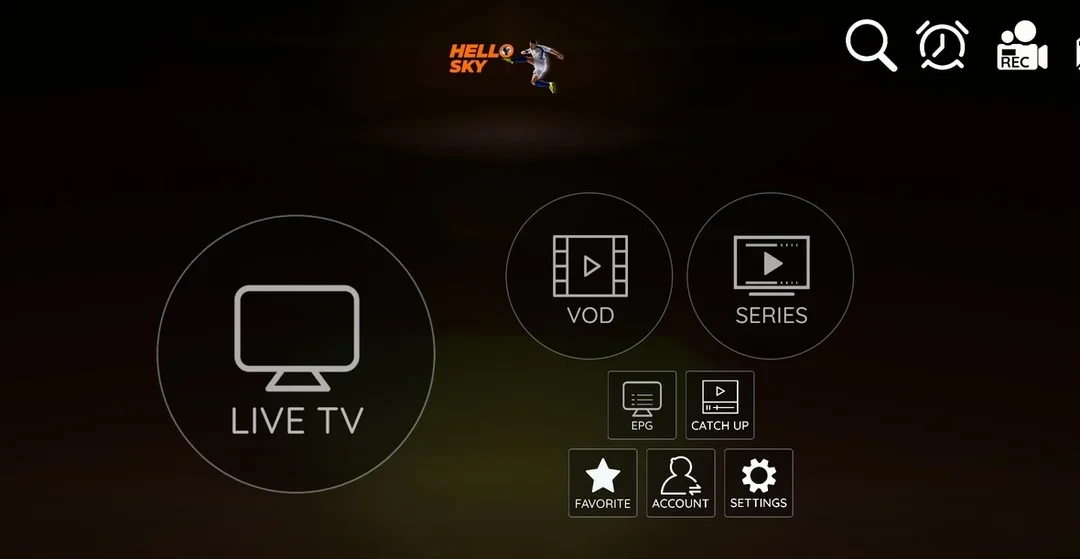
Choose a matchup to see the actual currency, term and outcome.
Open the caption on a website-sourced image to see its original. The remaining captions identify material supplied with the provider archive.