provider
IPTV Australia
Confirm the Australian store region, local feed and payment currency before activation.
iptvaustralia.app · Check exact market
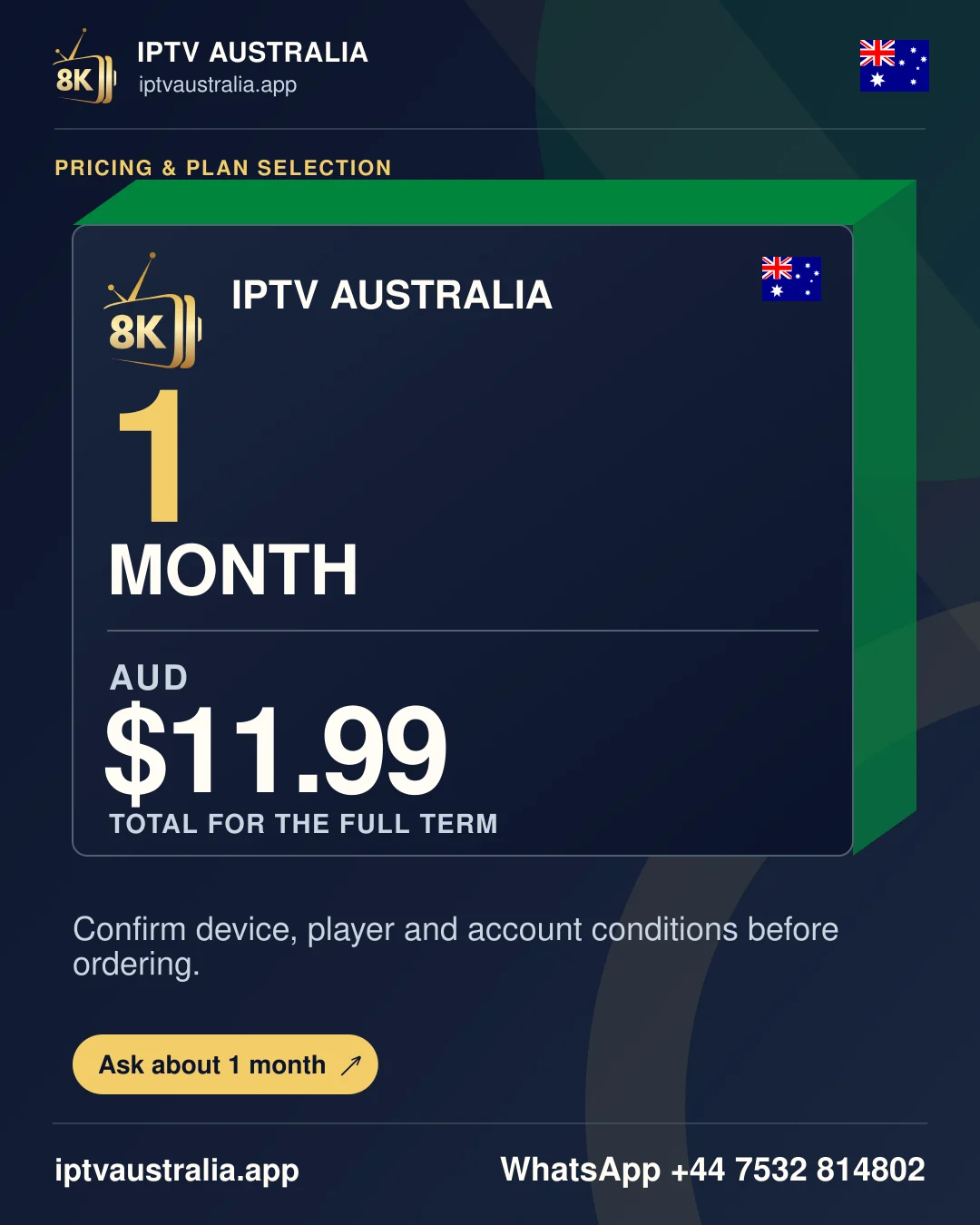
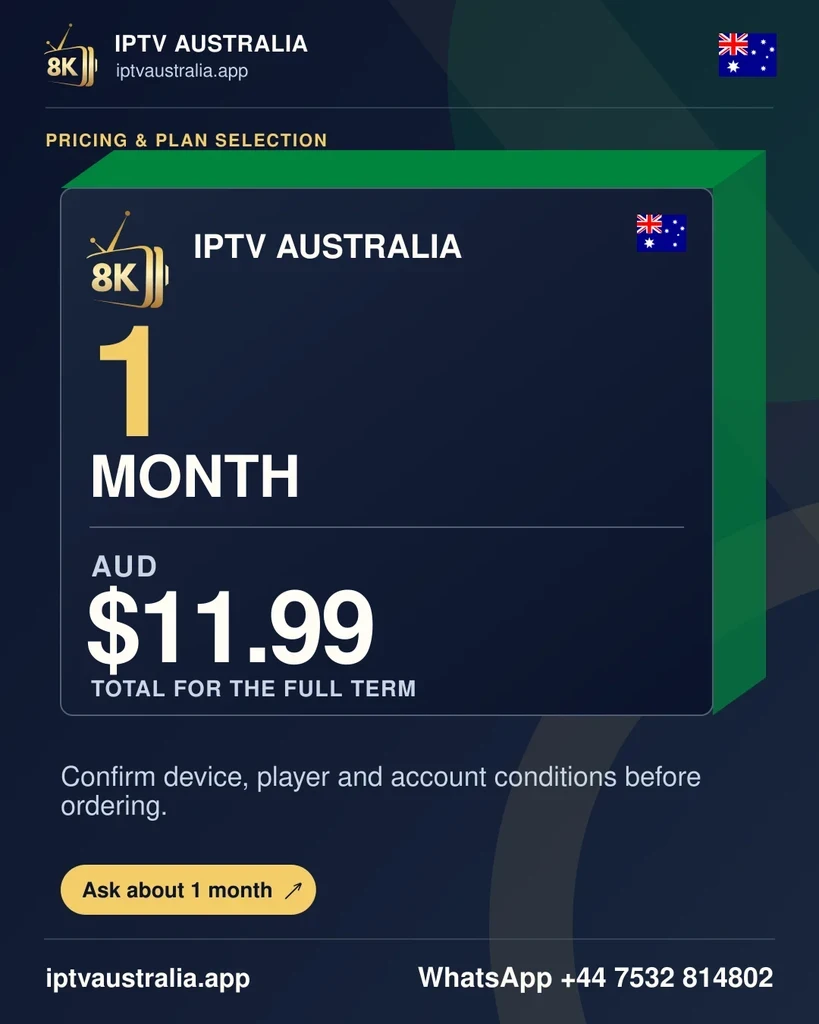
Open the official IPTV Australia websiteThe 1 month plan is listed at A$11.99 AUD. Check the account and app terms before choosing a longer term.

iptvaustralia.app
The 1 month plan is listed at A$11.99 AUD. Check the account and app terms before choosing a longer term.
The 1 month plan is listed at A$11.99 AUD. Check the account and app terms before choosing a longer term.
Confirm the Australian store region, local feed and payment currency before activation.
iptvaustralia.app · Check exact market
Open the official IPTV Australia websiteIPTV Australia maintains the site at iptvaustralia.app. Check who issues the invoice and who replaces the access if the app or TV changes. The buyer needs both answers before paying for a long term.
Document review · November 19, 2026. Playback performance, service rights and ZIP-level access require separate evidence.
The 1 month plan is listed at A$11.99 AUD. Check the account and app terms before choosing a longer term.

iptvaustralia.app
Someone in California who asks for the Australian evening news may mean the bulletin their parents watched in Perth. A relative in New York may mean the Sydney edition. They have asked for the same thing in English and two different things on a television schedule. Start an IPTV Australia enquiry with the city, the broadcaster, a named programme and the address where it will actually be watched. Deal with the subscription length after that.
The four personal amounts published by iptvaustralia.app on its pricing page are AUD 11.99, 33.99, 49.99 and 71.99 for one, three, six and twelve months. The dollar sign on an Australian screen and the dollar sign on a U.S. payment card name different currencies. The Australian amount is a useful basis for comparison. The U.S. debit depends on what checkout actually charges and any conversion the payer accepts. A buyer taking account of the country name but overlooking those two letters can draw up the wrong budget before even choosing a term.
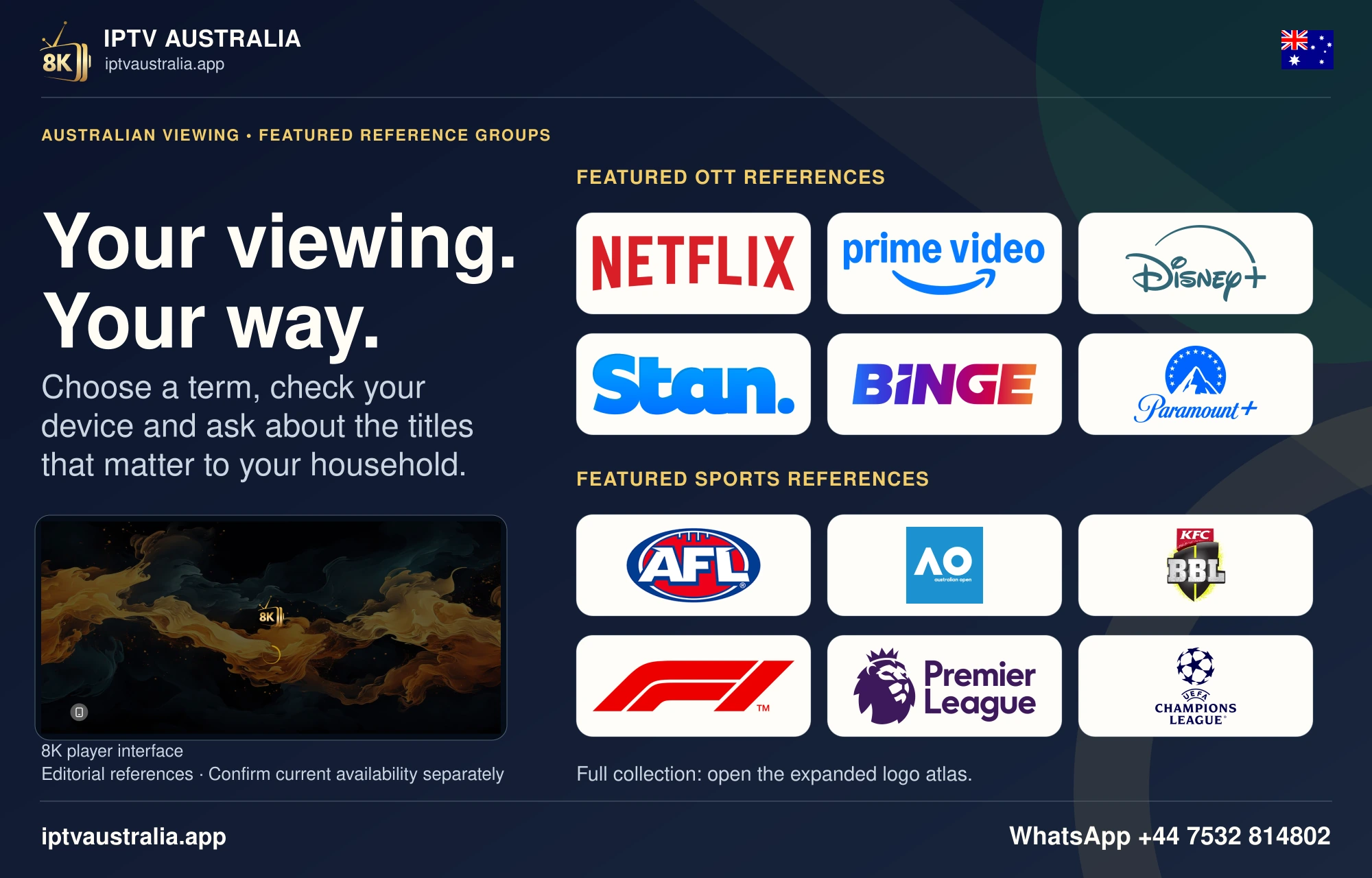
Three details in the seller's material deserve separate attention. There is a personal subscription enquiry, there are device references including Apple TV and a Fire TV Cube, and there is a business route for discussing reseller terms. A picture of a broadcaster, a device or a panel in one of those sections identifies the subject under discussion. It does not turn an enquiry into the right to view a particular domestic Australian feed from an American home.
For an example on Thursday, November 19, 2026, take a programme beginning at 7 p.m. in the named Australian city. These are conversions for that date. They illustrate how to enter a programme in a U.S. calendar and say nothing about its availability from a seller.
| Australian listing at 7 p.m. | New York on November 19 | Los Angeles on November 19 |
|---|---|---|
| Sydney or Melbourne | 3:00 a.m. | Midnight |
| Adelaide | 3:30 a.m. | 12:30 a.m. |
| Brisbane | 4:00 a.m. | 1:00 a.m. |
| Darwin | 4:30 a.m. | 1:30 a.m. |
| Perth | 6:00 a.m. | 3:00 a.m. |
The Adelaide row is deliberate. A guide that offers only whole-hour corrections can look nearly right while placing every local programme on the wrong half of the hour. The Brisbane and Sydney rows are equally important. Cities on Australia's east coast do not all use the same clock throughout the year. For a recurring booking, put the source city's named time zone in your calendar. A fixed offset copied from a November screenshot can be wrong when the seasons change.
Now turn the example around. A person in New York who plans to watch the Australian item at 8 p.m. after dinner is often asking for replay or an on-demand edition. Even a perfectly delivered live signal at three in the morning may be of little use. Include the preferred U.S. viewing time in the enquiry. Ask which replays are permitted, when they become available, their expiry and whether the player the family owns can actually reach them. The next morning's repeat and an on-demand episode are different ways of solving the household schedule.
Dates matter as much as hours. Sydney at 8 a.m. on November 19 corresponds to 4 p.m. in New York and 1 p.m. in Los Angeles on November 18. A calendar reminder that gets the hour about right but omits the previous date fails completely. If a relative texts “tomorrow morning,” translate the programme from the date printed on the broadcaster's guide. Save the original listing beside the converted local date so another family member can check it without doing the arithmetic again.
The Australian Broadcasting Corporation's TV guide publishes separate guide choices. Its help material explains how local ABC news relates to a state or territory and which live pathways require a viewer in Australia. That makes the broadcaster an excellent source for identifying a desired bulletin. Ask IPTV Australia about that identified service and the intended U.S. address. A station name in a guide and a seller's permission to supply the programme in another country are separate pieces of information.
Take a practical enquiry from a household with relatives in Adelaide. Write down the South Australian edition, the date it airs in Adelaide, and whether watching it later from an American home is essential. If a seller responds with “ABC News,” ask which service it means. The ABC NEWS channel, a local bulletin on ABC TV and an internationally available current-affairs programme can share branding while following different schedules and distribution arrangements. One can meet the need while another offers a perfectly good picture of the wrong news.
SBS is another place where the precise service matters. SBS says its own On Demand service is available for streaming within Australia. That statement is about SBS On Demand. It does not describe every independent distributor or every separately licensed programme in another territory. If the buyer specifically wants the SBS On Demand catalogue, read the broadcaster's own conditions first. If the request is for a named documentary offered separately in America, identify its title and actual U.S. distributor before treating an Australian subscription as the answer.
Use the station register to organize the enquiry, particularly when a national network name appears beside multiple regional services. A register may carry a broadcaster's website, service name and some feed information. It is good evidence about identity. It will not tell you that a national or international seller has current carriage rights in your U.S. area. A useful result is sometimes the identification of the official broadcaster even when the next step is to buy nothing.
The ABC describes a selection of internationally cleared material in its ABC Australia category. That route may cover a current-affairs programme that a U.S. viewer previously watched while living in Australia. Search for the exact programme there before purchasing a long term to solve a one-programme problem. A working episode through the broadcaster's international offering answers a very specific question. It does not demonstrate that every ABC feed, live local bulletin or past season will be available by the same method.
A family comparing the official selection with a proposed IPTV Australia account can use two columns. In one, list what the broadcaster itself makes available in the viewing country. In the other, put the additional service that the subscription seller says it can supply at that address. A customer looking for a weekly interview may discover the first column already covers the need. A customer looking for the local evening edition may still need written confirmation for that item. Keep a blank line for an answer that has not arrived.
Where a title exists in more than one edition, check the programme description, date and length. A news clip, a full bulletin and a highlights package can carry similar headlines. A title page that displays in the United States is not yet a playback result. If the broadcaster permits the content in that location and the displayed device, check whether the particular episode opens and whether the available captions suit the viewer. There is little value in buying a different service to remedy an access question that stems from a rights window on the same source.
For relatives helping from Australia, ask for a link to the public programme listing. Do not ask them to share their private account or relay an entire feed. The public listing can identify a name, edition and broadcast date without exposing credentials. Seller support can then answer the legitimate question about the service available to the household in America.
| Coverage on the card | Published full term | Equivalent per month, rounded |
|---|---|---|
| One month | AUD 11.99 | AUD 11.99 |
| Three months | AUD 33.99 | AUD 11.33 |
| Six months | AUD 49.99 | AUD 8.33 |
| Twelve months | AUD 71.99 | AUD 6.00 |
If a receipt quotes AUD 71.99 for a year, that is the relevant Australian-currency comparison. The number six on the monthly comparison does not schedule twelve charges of six dollars. Multiplying a rounded monthly equivalent can produce a small discrepancy. Use the full purchase amount when you compare checkout with the displayed card. Then identify who will convert it to your payment currency. If checkout offers to charge U.S. dollars, compare the actual offered dollar amount with your own payment method before agreeing.
One month repeated three times at the advertised rate costs AUD 35.97. The published three-month term is AUD 33.99, a difference of AUD 1.98. For an initial trial of family habits the modest gap can make monthly flexibility worthwhile. Six separate months total AUD 71.94, while the six-month offer is AUD 49.99. A household that has already confirmed its desired programmes and plans to watch for the full half-year has a different decision. Annual pricing becomes relevant only when twelve months of access genuinely solves a twelve-month problem.
Consider a family arranging viewing for an Australian parent visiting the States for seven months. Six months and one month total AUD 61.98 if renewal is available at the listed price with the remaining days preserved. The full year costs another AUD 10.01. If the parent will leave after seven months, buying the year does nothing for four or five months in an empty guest room. If the parent regularly returns and the rest of the household will watch between visits, the longer card may deserve another look. Start with the calendar of use.
Ask about activation date once you have chosen a term. An adult child buying a gift in November for a parent arriving in December needs to know whether the account clock starts on payment, issue or first use. Put the agreed trigger, expiry, household location, full paid amount and party responsible for refund enquiries in the gift record. Give the parent a simple support route and keep the cardholder's private payment details off the television.
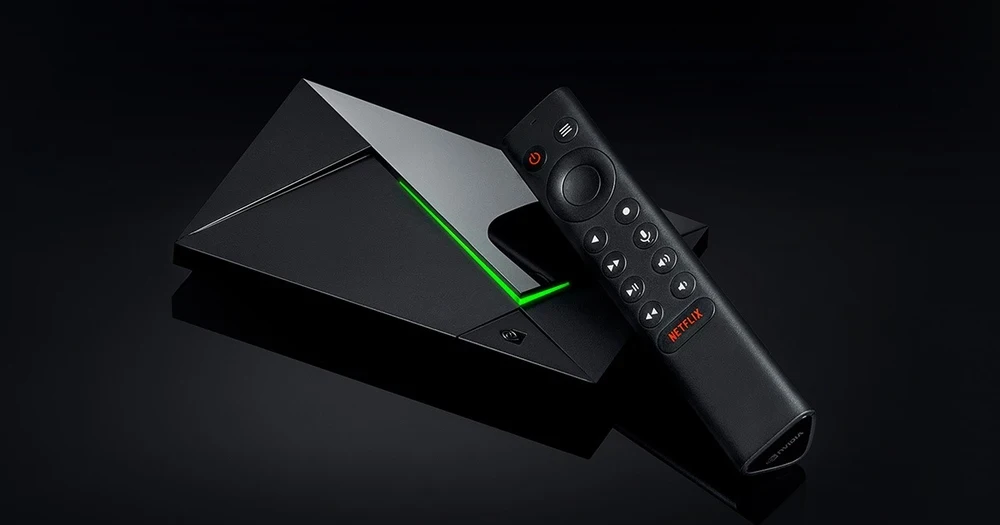
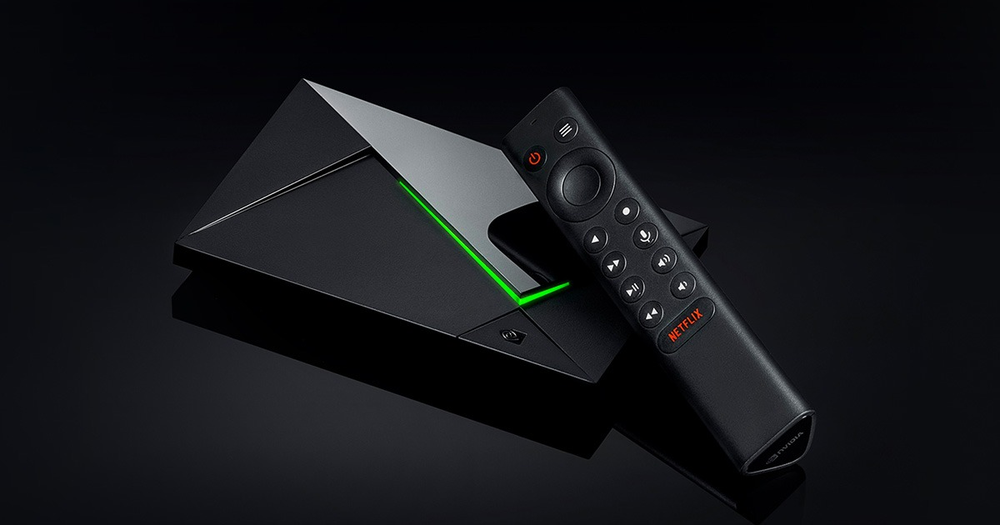
The seller includes a reference to Apple TV and a guide for the 2022 Fire TV Cube. Its Cube page is a starting point for that device generation. Someone with an older cube or a small Fire TV Stick should tell support exactly which model they have. A similar remote or the same brand name on the box does not establish that the same instructions or store apps apply. A television made by another company can still be using the Cube as its actual player.
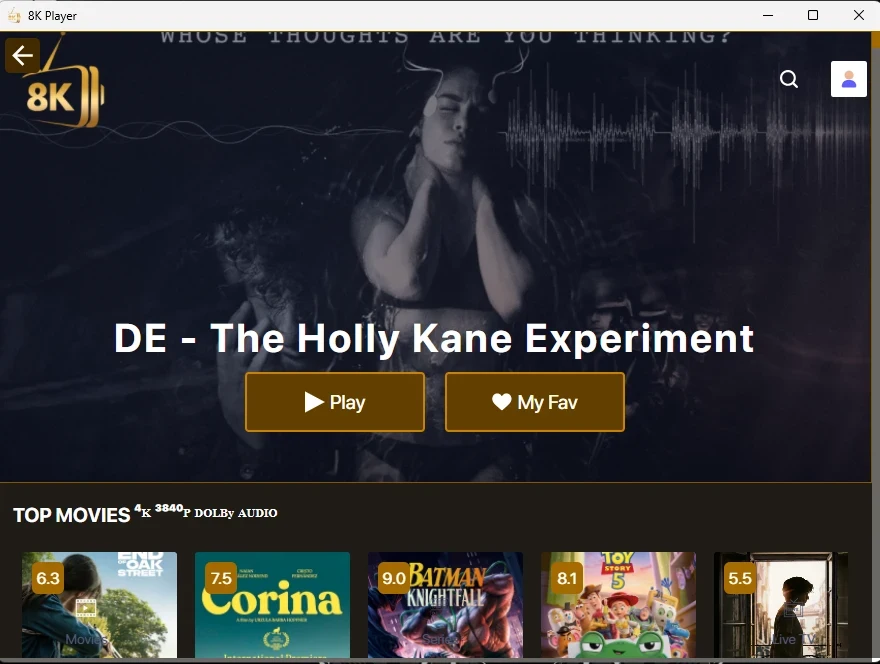
For an Apple setup, identify whether the household owns an Apple TV hardware box, has the Apple TV app on a smart TV or simply pays for a separate streaming subscription. The first tells support the operating platform for an IPTV player. The second names an app that may be installed on a television with a completely different operating system. The third is a billing relationship. Sending the model number and a photograph of the input screen with account names removed is often clearer than saying “we have Apple TV” three times.
A parent visiting for a few months may use the setup only when the household's usual helper is at work. Hand the regular viewer the remote during the trial. Ask them to start at the television's normal home screen, select the right input, find one saved station and turn subtitles on for an appropriate programme. Have them return to ordinary television afterward. Write the minimum sequence in their own words. The person who learns the device decides which instructions belong on the note near the sofa.
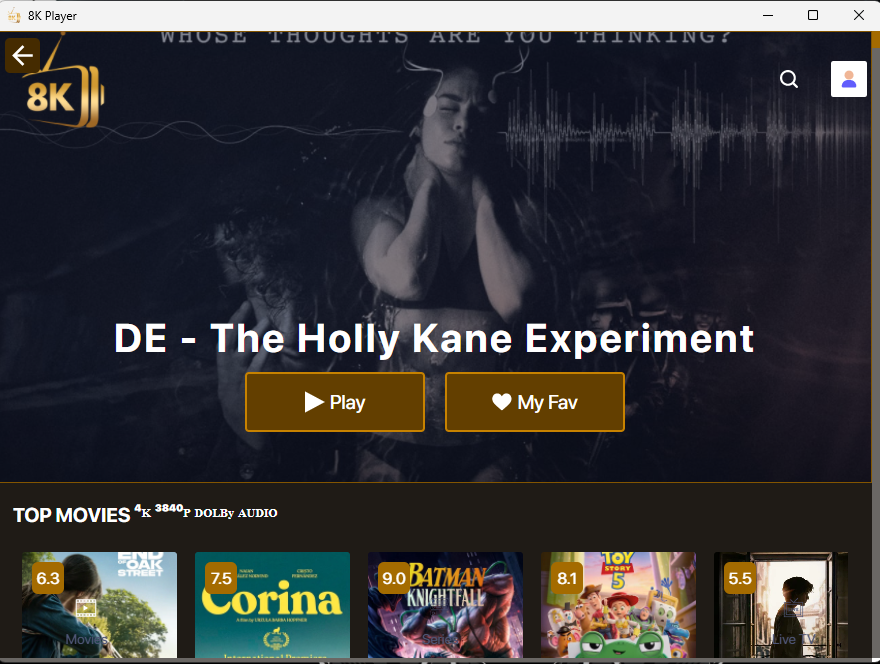
When there is a separate player charge, find out how it is licensed. Does it belong to the device, an app store account or the player publisher? Will moving to a replacement stick require another purchase? Is a trial of the player separate from the provider's trial of its account? These practical questions matter when one licence might survive a trip and another must stay on the American living-room television. Keep each receipt under the name of the organization that can resolve a problem with it.
IPTV Australia invites viewers to request a one-day trial after installing a compatible player. The provider asks them to use their usual screen and connection. If the television is in America, complete the installation there first, then ask the seller when the trial clock will start for the intended U.S. address. IPTV Australia trial instructions
Start with a real broadcaster listing and mark the state, city or territory, scheduled time, date and programme name. Open the relevant channel a few minutes before the planned start during a permitted test. A local opt-out can occur within a longer national segment. A screenshot captured at the moment two regions share national material may tell you very little about the eventual local edition. Watch for the editorial identifier or stories that distinguish the programme the household requested.
Check the guide and the picture separately. The image can be the correct state feed under the wrong guide name. The guide can carry the correct bulletin description while the picture comes from a national news service. The viewer can describe either outcome to support without guessing which system caused it. For example, give the name printed in the programme grid, the first identifiable segment, the source city, and the time shown on the U.S. device. Ask which feed the operator intended to attach to that entry.
Now check the second day in the guide. A first night's correct image is useful to someone watching live. A person relying on an advance reminder also needs tomorrow's listing in the right time zone. If replays are part of a confirmed service, open the selected event from its guide entry and note whether it starts at the beginning, opens the live channel or simply contains a programme description. Those are different viewer experiences hidden behind very similar icons.
Repeat the parts of the test the family actually cares about. If a relative never uses replays but needs captions for news, spend the remaining trial window on accessibility. If the person will watch only during a work break in America, try the allowed device and network at the time they would use it. A test in an Australian relative's lounge is a good way to identify the programme. It is a poor substitute for testing the actual permitted viewing path in the United States.
A family moving from Brisbane to Seattle can name a permanent change of residence and an approximate moving date. A family returning to Brisbane for a fortnight while keeping the U.S. residence needs temporary travel terms. A third household might have people in both homes wanting to watch at once. Each case can involve precisely the same two cities. The account requirements are still different. Ask separately about the location of first activation, later use, permitted device switches and simultaneous viewing across addresses.
If an account can be used at the new address, ask how support handles the move. A move may change the internet provider, local app store, hardware or the list of services authorized for the territory. Decide which change to make first and write down what worked beforehand. A factory reset on moving day can erase the very settings needed to describe the old configuration. Where the account must be closed or replaced, obtain the expiry and any remaining-term arrangement in writing.
Temporary accommodation adds a practical detail. A hotel or rental internet connection might need a sign-in screen that does not appear on a television stick. Ask the accommodation provider about permitted streaming devices and its guest-network process. Use the provider account only on a location and arrangement the seller permits. If a device is left behind, use the legitimate account-management or seller support route to end the session and remove private information. Remember to sign out of any unrelated player or app-store account you used.
Returning home is a separate test. Put the original device back on the intended home network, confirm clock settings and see whether saved favourites and access still work. A documented travel permission does not tell you how long a device switch remains attached to an account. If the first screen at home cannot start after a permitted trip, report the last successful session, the approved sequence and the time you stopped the travelling device. This gives the operator facts about the account state without exposing its credentials.
A sports fan usually has a much narrower need than a package photograph implies. Write the sport, competition, specific match or round, date and viewing country. Add language, live versus replay, and whether an overnight U.S. start is realistic. A familiar Australian commentator or network logo may be why the family wants a particular production. Two legal broadcasts of the same fixture can still have different commentary, ad breaks, start times or replay availability.
When the start is printed in eastern Australian time, identify the city and date before translating it. “Friday night in Melbourne” can put a viewer on the U.S. West Coast in the early hours of Friday. An afternoon start can move to the previous U.S. evening. Do not infer the domestic broadcaster's time zone from the venue alone. A published guide might already have converted the event for the Australian viewer's selected location. Converting a converted time creates an error that looks like a missing event.
Ask the rights holder or authorized U.S. broadcaster where the event is available in your viewing territory, then ask the seller which authorized service it supplies. A written description of the subscription and a later opening of a replay are stronger evidence than a rolling list of competitions. If the only tested programme is general sports news, record precisely that fact. News about a match, a highlights show and rights to its live coverage are distinct purchases.
A family considering a year primarily for a short tournament should also price the actual tournament window. A one-month term is AUD 11.99 on the observed schedule, conditional on the seller meeting the requirement. Ask how the term start and end align with the final. If no seller or broadcaster can confirm the required production for the U.S. address, the annual price comparison has little bearing on this particular purchase. Let the missing event answer determine whether the family proceeds.
A multilingual programme can offer several possible tests. Is the original audio present? Are English subtitles available? Do captions identify speakers or sounds that matter to a viewer with hearing loss? Does the guide contain the programme's original title so the family can find a second episode? A seller can answer “yes, English” while referring only to the app menus. Describe who will use the television and which feature makes the programme watchable.
For printed subtitles, try both bright and dark scenes from the regular seat. Check size, contrast, placement and whether the text disappears under a programme ticker. See whether the player's subtitle setting remains active after you leave and return. If a television and an external app both offer caption appearance settings, change one at a time and record which actually affects the picture. Awarding a pass because a settings menu contains a subtitle button is like ticking off a delivery before opening the box.
For multilingual audio, open a programme whose authorized listing identifies the original language, then choose the relevant track if the player exposes it. Listen through the speakers that the household normally uses. A track label can be stale, and a soundbar can change how dialogue is heard. If speech seems missing, compare with the TV's built-in speakers before blaming a content provider. If the original track is absent on a specific feed, tell the seller the programme, channel and date instead of requesting “more languages” in the abstract.
Test children’s programming with the adult responsible for the device. Look for the ordinary route to close the player, clear an inappropriate suggestion or return to the intended profile if the app provides profiles. A marketing page showing children's titles cannot establish parental controls across every player. If the family needs a particular control, find the exact control in the permitted app and try it using the remote a child would actually hold.
IPTV Australia publishes a reseller enquiry page and separate wholesale and distributor contact paths. An installer can ask about a business relationship there. The store's verified offers do not supply a current payable pack amount or per-term credit deduction for this operator. A reseller comparison that borrows a published figure from an unrelated brand will give a customer the wrong answer. Prepare a request that can elicit an actual quote instead.
For example, describe a prospective small operation with ten customers requiring three months each and four customers requiring a year. That represents 78 customer months as a measure of proposed work. The calculation is ten times three plus four times twelve. It is not a claim that 78 IPTV Australia credits would cover the work. Ask the operator for the deduction per account type, any separate panel fee, first purchase minimum, top-up rules, stock expiry and whether those specific customer locations are authorized.
A useful response separates the amount due on the pack from an account's duration and the cost of supporting the viewer. If the operator quotes prices in Australian dollars but the reseller takes U.S. payments, the reseller has an additional currency decision. Keep quoted cost, currency of settlement, actual conversion where it occurs and after-sales responsibilities in different fields. A percentage margin calculated with amounts from different currencies has no meaningful interpretation.
An installer helping one relative with a personal screen may never need a business pack. The person who pays for the household term ought to know who receives the receipt, who can reset the account and how to reach the seller without the installer. A venue proposing public display should request specific permission for that use from the appropriate provider and rights holder. Personal households, resellers and public venues can all own an identical physical television while requiring quite different agreements.
Imagine sending the seller a specific request about a Melbourne programme, a particular U.S. address and a two-month stay. The first possible reply gives a package name and an image of a national channel lineup. That is helpful for establishing which package the seller thought you meant. The practical answer still needs the named edition, territory, permitted device, amount due and the dates that cover the visit. Reply with the unresolved parts rather than starting again from “What channels do you have?”
A second possible reply identifies a permitted English-language current-affairs programme from the same broadcaster. Perhaps it is available after the Australian transmission, on a different schedule from the requested domestic service. Ask what publication delay the operator can substantiate and how the viewer would find a specific edition. For a family concerned only with the host or interview, that alternative might be ideal. For someone whose real requirement is the evening's Victorian local news, it solves another problem. It is worth recognizing that before a year is paid.
A third possible reply confirms an appropriate service for the address but requires a player the household does not own. Get the exact app name and publisher and see whether it is available on the existing device. Ask for the app's charge and whether it can be tried before paying the subscription. An otherwise good answer may become unattractive when the buyer includes hardware, a paid player or the time required to teach a visiting relative a new remote. Conversely, an already owned device and a manageable trial can turn an ambiguous-looking website into a fairly simple order.
These are examples of how to read a reply. They are not correspondence attributed to IPTV Australia. Keep the seller's actual written answer with the selected term. When an operator explains a limitation plainly, preserve that part too. Someone returning to the family television in six months may remember the name and forget the limitation that made the first purchase sensible.
Take two separate one-month visits, with an empty month between them. Two individual months on the published schedule add to AUD 23.98. A continuous quarter costs AUD 33.99, AUD 10.01 more. If the account can be allowed to expire and restarted for the next visit without extra fees, the two shorter terms spend less. Ask whether activation or setup must be repeated, whether the account reference survives the gap and whether a player licence continues on its own schedule. A straightforward price saving can bring a little extra setup work with it.
Now suppose somebody wants the service at the U.S. home throughout a second, longer visit. An initial quarter then becomes relevant. A quarter followed by a further three-month term would total AUD 67.98. Six months prepaid would be AUD 49.99, a difference of AUD 17.99. This matters if the person really needs all six months. If a return ticket has not yet been booked and no one else expects to watch, the larger saving is conditional on an uncertain plan. Do the arithmetic twice, once for what is booked and once for the possible extension.
Think about the network arrangement over those visits as well. A parent living in a guest room this time might stay in a separate rental next time. Moving the same device can change the territory or household permissions the seller needs to check. A personal account confirmed for a single address does not automatically follow a family tree to a relative's new address. Keep an explicit list of the place approved for each order and the arrangement that should apply while the original house is empty.
When the second visit arrives, identify the original app, account and receipt before buying anything new. Avoid paying a second time for an app already licensed to the device or trying to renew a service whose new quoted price has changed. Confirm the payable AUD total afresh. A paper note saying “Australian television paid until Christmas” may be enough for the day-to-day user, but the purchaser needs the exact date, time zone and seller reference.
Start with an independent public record when the seller and the family use different names. The Australian Communications and Media Authority publishes information about broadcast planning, media control and licence registers. There is a sensible division of labour here. A public authority can help identify a broadcaster and its Australian operating context. A broadcaster can tell you what it schedules. The seller taking money has to tell you what it is permitted and prepared to supply to the American household. No one of those documents performs all three jobs.
An example is a family that asks for “the station on channel seven at home.” A number on an Australian remote could mean a familiar network identity, a logical channel number used in one reception setup or a shortcut someone once assigned. Ask for a programme name, a recognisable presenter or the city where it was watched. Look up the public schedule for that place and note an adjacent programme as a second point of identification. Two adjacent programme descriptions give support much more to work with than a coloured logo.
A service name with extra letters can indicate a different channel or an enhanced-definition version. A time-shifted or other regional service might show the same series at a different hour. Ask the seller which specific service and feed appear on the proposed account. If an internal guide lists more than one edition, establish which one should remain in favourites and how it will be labelled after a guide refresh. For a new viewer, a single correctly labelled favourite is a more meaningful improvement than another page of unfamiliar channels.
Screenshots can help here, provided they are cropped to the public station label and nonpersonal programme details. Cut out email addresses, account information, private activation links and any other accounts in the family menu. A brief caption identifying the time zone and the date of the capture turns a picture into evidence that someone can understand a week later. The same discipline makes the public forum useful to the next family looking for the right regional name.
After the trial and before payment, ask the person in the chair what they actually watched. Which programme appeared? Did they recognise the edition from home? Could they find the next one without help? Was the overnight U.S. schedule acceptable, or did the family depend on a replay that is still an open question? A buyer who receives “the picture was clear” has learned one thing. They may still have no answer about the reason the subscription was wanted in the first place.
Keep the decision record short enough to revisit. One row can say Melbourne programme, viewer location, feed confirmation, player and full term total. A second can say which details were observed during a permitted trial and which came from the seller in writing. Give the payer a renewal reminder before expiry and let the viewer keep just the operating instructions. This avoids turning the family remote into an account file while making it possible to repeat the purchase safely next time.
If the family gets its one essential programme through an official international collection, it can postpone the subscription until another need arises. If several specific items, an appropriate schedule and an accessible device all point to the quoted offer, the family has a concrete reason to buy. In either case the outcome is grounded in the television someone wanted to watch, the country where they will watch it and the money actually leaving the account.
If the app lets the viewer name a favourite, use the broadcaster's real service name and the distinguishing city or edition that the operator confirmed. Give the visiting relative one extra reference, such as the ordinary Australian start time or the day the programme is normally scheduled. A vague label like Home can mean a different place to every family member. A precise label helps a helper spot when the regular broadcast has moved, the guide has been remapped or a favourite points to a different service after an application update. Test it from the sofa once before the helper leaves. The person who can find the right bulletin unaided is the person whose purchase you are trying to improve.
Suppose you expect to watch for six months. At the listed single-month amount, six separate purchases would total A$71.94 AUD. The six-month offer asks for A$49.99 AUD up front. That comparison assumes every new month is available at the listed amount. Check renewal separately before relying on it.
| Viewing period | Separate monthly purchases | Single matching term | Difference | Monthly purchases to reach term price |
|---|---|---|---|---|
| 3 months | A$35.97 AUD | A$33.99 AUD | A$1.98 AUD | 3 |
| 6 months | A$71.94 AUD | A$49.99 AUD | A$21.95 AUD | 5 |
| 12 months | A$143.88 AUD | A$71.99 AUD | A$71.89 AUD | 7 |
Read the final column as a spending threshold. If you expect to cancel sooner, compare the shorter commitment with the cash you would have paid up front. The figures exclude fees the seller has not confirmed.
Check IPTV Australia subscription termsThe image link identifies the exact file served by the provider.

Choose a matchup to see the actual currency, term and outcome.
Open the caption on a website-sourced image to see its original. The remaining captions identify material supplied with the provider archive.